
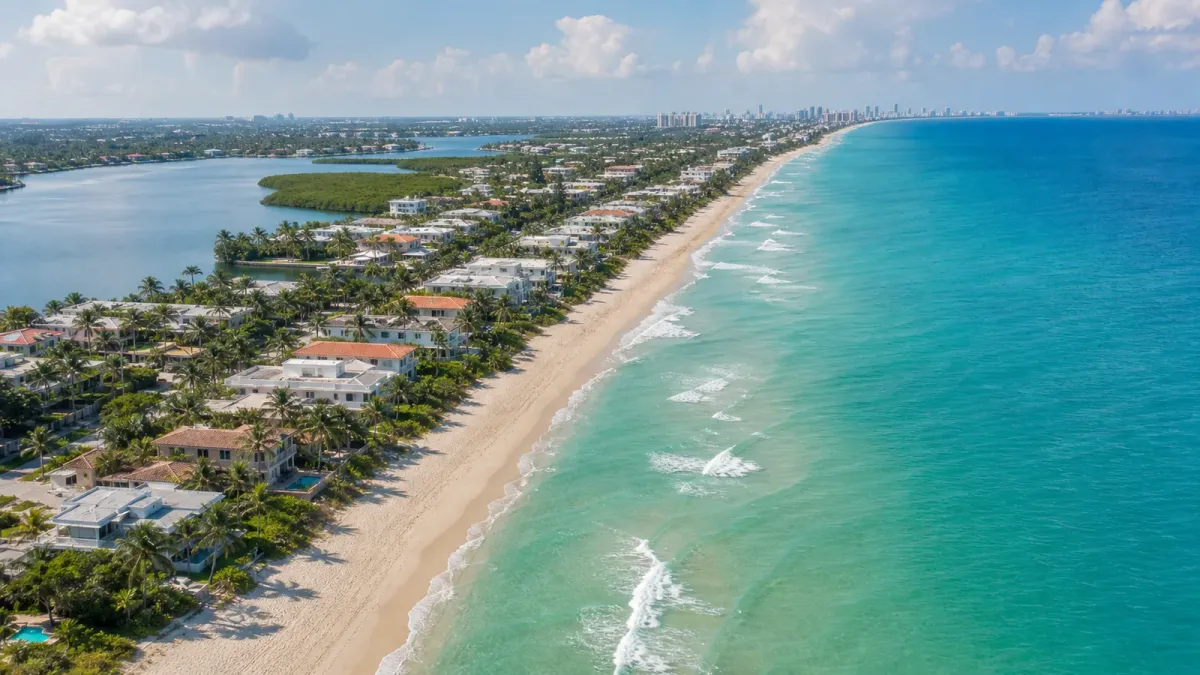
South Florida rewards travelers who look beyond a single beach. This summer guide stretches from Delray Beach through Miami and the national parks to Key West, combining architecture, gardens, reefs, wildlife and waterfront views.
The ten stops cover a large region, so do not try to see them all in one rushed weekend. Group Miami attractions together, reserve a separate day for the Everglades or Biscayne National Park, and treat the Florida Keys as their own trip.
Summer brings intense heat, humidity and fast-moving thunderstorms. Start outdoor visits early, carry water and sun protection, and check official operating hours, weather alerts, ferry schedules and reservation requirements before leaving.
Quick picks
- Best first-time stop: South Beach and the Art Deco District
- Best wildlife day: Everglades National Park
- Best on-the-water experience: Biscayne National Park
- Best art walk: Wynwood
- Best quiet escape: Morikami Museum and Japanese Gardens
- Best big adventure: Dry Tortugas National Park
1. South Beach and the Art Deco District
Where: Miami Beach. Why go: South Beach pairs a broad Atlantic shoreline with the pastel hotels and geometric façades of the Art Deco Historic District. Walk Ocean Drive in the cooler morning, visit the Art Deco Welcome Center, then continue south to South Pointe Park for views of Government Cut and passing cruise ships.
Check first: Beach conditions, parking rates and heat advisories. The neighborhood is walkable, but midday sun can make even a short architecture tour tiring.
2. Wynwood
Where: Miami. Why go: Former warehouses now hold galleries, restaurants, shops and large-scale murals. Wynwood Walls is the best-known ticketed attraction, but the surrounding streets also form a constantly changing outdoor art district. Go for the visuals and stay for lunch rather than treating it as a quick photo stop.
Check first: Museum admission, event closures and parking. Early morning offers cooler temperatures and quieter sidewalks.
3. Vizcaya Museum and Gardens
Where: Coconut Grove. Why go: James Deering's 1916 winter estate brings Gilded Age interiors, formal gardens and Biscayne Bay into one unusually atmospheric visit. The house provides an indoor break, while the waterfront and garden rooms reward slow exploration.
Check first: Timed tickets and accessibility notes. Vizcaya warns that its historic grounds include uneven stone, steps and areas with limited access, so comfortable shoes matter.
4. Fairchild Tropical Botanic Garden
Where: Coral Gables. Why go: Fairchild's 83 acres include tropical plant collections, palms, flowering trees, water features and a butterfly-and-hummingbird exhibit. The garden recommends allowing roughly three hours to see the grounds, and a narrated tram can reduce the amount of walking.
Check first: Daily hours, tram availability and any seasonal exhibits. Bring insect repellent and water even if you plan to use the tram.
5. Everglades National Park
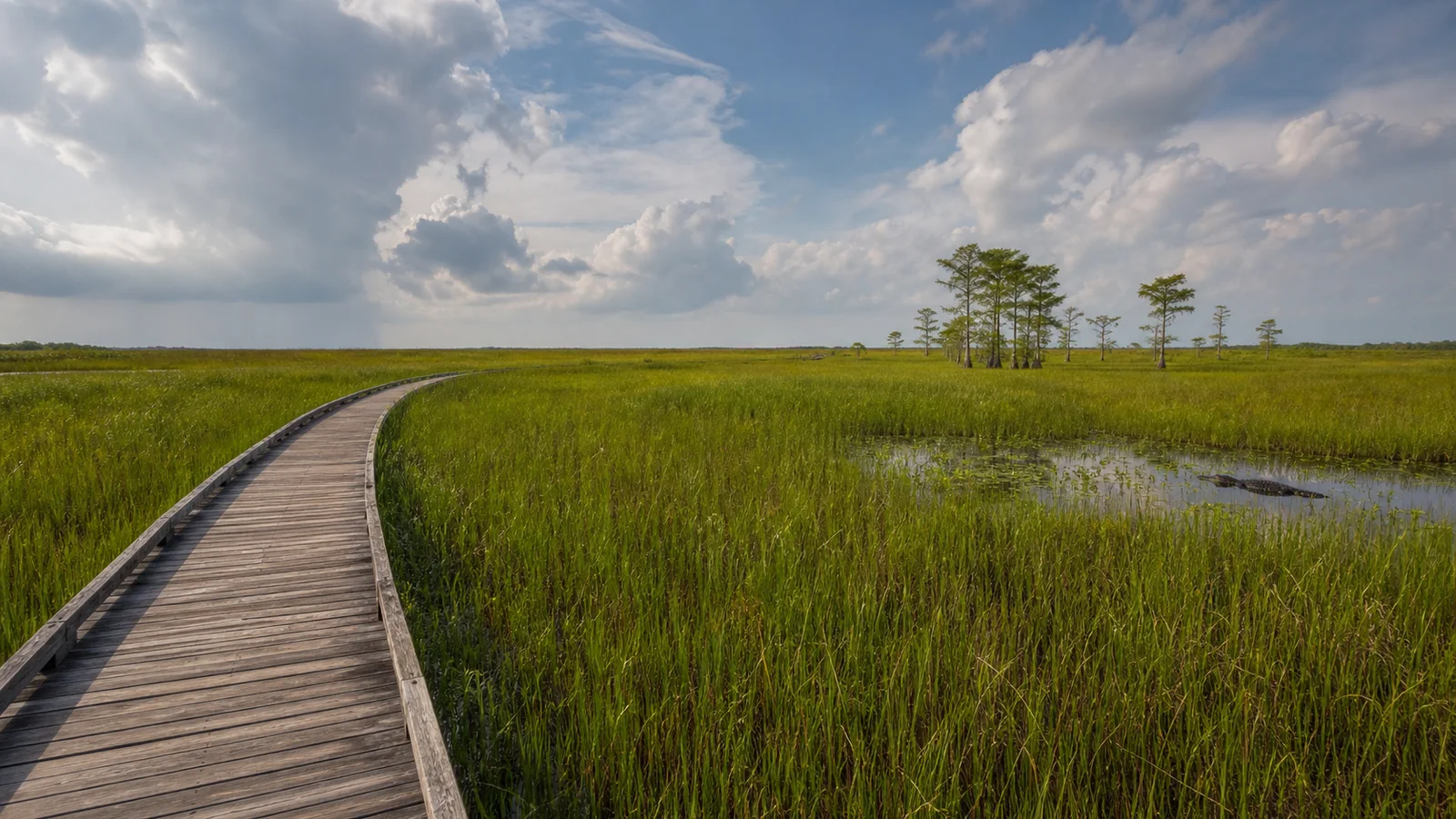
Where: West and south of the Miami metro area. Why go: The Everglades is not a swampy backdrop but a vast subtropical ecosystem of sawgrass, mangroves, sloughs and wildlife. From the Homestead entrance, the road toward Flamingo offers trails and overlooks; farther north, Shark Valley is known for its tram route and cycling loop.
Check first: Choose an entrance before driving because park districts are far apart. Summer is the wet season, with heat, mosquitoes and afternoon storms shaping the day.
6. Biscayne National Park
Where: Homestead and Biscayne Bay. Why go: Biscayne protects aquamarine water, islands, reefs and maritime history within sight of Miami. Because about 95% of the park is water, a boat tour, snorkeling trip or paddle excursion reveals much more than a stop at the mainland visitor center.
Check first: Reserve authorized tours in advance. Personal watercraft are prohibited, and boaters should use charts, observe slow-speed zones and never anchor on coral.
7. John Pennekamp Coral Reef State Park
Where: Key Largo. Why go: Pennekamp makes an excellent first Florida Keys stop, with glass-bottom boat trips, snorkeling, diving, paddling and mangrove scenery. It works for mixed groups because visitors who do not want to snorkel can still see the marine environment from a boat.
Check first: Tour availability, wind and water conditions. Book popular boat trips ahead and leave extra driving time on U.S. 1.
8. Key West
Where: The end of the Overseas Highway. Why go: Key West blends historic homes, shaded lanes, waterfront sunsets and a distinctly Caribbean-influenced character. Walk rather than drive around Old Town, visit a museum or historic site during the hottest hours, and save the waterfront for late afternoon.
Check first: Hotel parking and cruise-ship schedules. Key West is roughly 160 miles from Miami by road, and traffic can turn the scenic drive into a much longer journey.
9. Dry Tortugas National Park
Where: About 70 miles west of Key West. Why go: Fort Jefferson, blue water, seabirds and snorkeling make this the region's most memorable full-day excursion. There is no road: visitors reach Garden Key by ferry, seaplane or private boat.
Check first: Transportation can sell out, so reserve early. The National Park Service stresses careful planning; ferry tickets include park admission, while other arrivals may require a separate pass.
10. Morikami Museum and Japanese Gardens
Where: West of Delray Beach. Why go: Morikami offers a calm northern bookend to a South Florida trip. Its museum explores Japanese art and culture, while the Roji-en gardens lead visitors through changing landscape styles around lakes, bridges and carefully composed plantings.
Check first: Current admission, exhibition schedules and garden conditions. Pair it with a Palm Beach County day rather than driving up from the Keys.
How to build the trip
For three days, spend one day in Miami Beach and Wynwood, one day at Vizcaya and Fairchild, and one day in either Everglades or Biscayne National Park. With five to seven days, add Key Largo and Key West. Dry Tortugas needs its own reserved day, while Morikami fits best at the start or end of a trip through Palm Beach County.
The practical rule is simple: choose fewer places and give them time. South Florida distances, summer weather and water-dependent activities can disrupt a tightly packed schedule, but a flexible plan leaves room for the landscapes and neighborhoods that make the region distinctive.


