
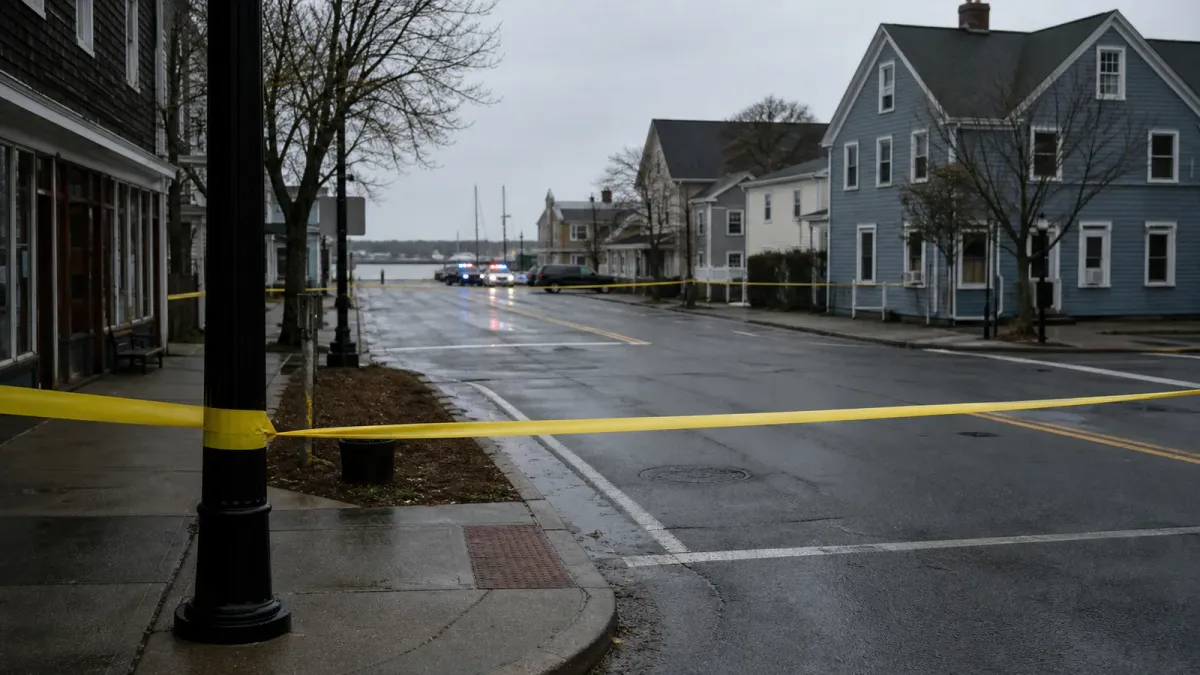
A federal immigration agent fatally shot a motorist Monday, July 13, 2026, in Biddeford, Maine, bringing new scrutiny to how U.S. Immigration and Customs Enforcement carries out arrests away from the border.
The Associated Press reported that Sen. Angus King said Homeland Security Secretary Markwayne Mullin told him the agent fired after the man allegedly used his vehicle as a weapon against agents seeking to deport him. King also said the agents involved did not have body-worn cameras and that the FBI is leading the investigation.
That leaves the central question unresolved: whether officers faced a threat that justified deadly force. King and Sen. Susan Collins both called for a full investigation, while local reporting from the Portland Press Herald said Biddeford police confirmed the shooting involved ICE agents and said their role was limited to scene security.
What changed
The shooting happened before 7:18 a.m. Monday in Biddeford, a coastal city south of Portland. AP reported that bystander video taken afterward showed agents trying to slow a white sedan moving in circles at an intersection, and scene images showed bullet holes in the windshield.
Advocacy groups Maine Immigrants' Rights Coalition and Presente! identified the person killed as a 26-year-old Colombian man who they said was authorized to work in the United States and had a Social Security number. AP said the man's family contacted advocates through a hotline after the shooting.
The case is already drawing protests and demands for more information because it is the second fatal ICE shooting reported in a week. AP described it as at least the ninth death from an encounter with federal immigration officials since the start of the Trump administration's immigration crackdown.
What we do not know yet
Officials have not released a full timeline, the man's name through law enforcement channels, the number of shots fired, or any video showing the moments before the shooting. It is also unclear whether dashboard, surveillance or bystander video captured enough of the encounter to resolve competing accounts.
Those gaps matter because vehicle-based threats are often disputed after police shootings. Body-camera footage can show commands, positioning and timing, but King said the ICE agents involved did not have body-worn cameras.
What happens next
The FBI investigation will shape whether the shooting is treated as justified force, misconduct, or something still legally unresolved. Maine officials are also likely to press DHS for policy answers on body cameras, local notification and how ICE planned the operation.
For readers, the immediate point is caution: early accounts in fatal law-enforcement shootings can change. The strongest facts right now are the location, the ICE involvement, the death, the FBI investigation and the public calls for transparency.


