
A fast-growing Cyclospora outbreak in and around Michigan has pushed reported illnesses above 1,000 across Michigan and nearby Ohio, while investigators are still trying to identify the contaminated food source.
Michigan officials reported 992 cases on Wednesday, July 8, including about 40 hospitalizations, according to CBS News and The Associated Press. Lucas County, Ohio, reported 306 cases the same day, and northwest Ohio has reported more than 400 cases.
The outbreak is important because Cyclospora can cause prolonged watery diarrhea and because the source has not been pinned down. No deaths have been reported in the current Michigan coverage, but public health officials say investigations can take time when the suspected link is a fresh ingredient used in many meals.
What changed
The current CDC national surveillance page, last updated July 1, listed 145 domestically acquired cyclosporiasis cases in 17 states for illness onset from May 1 through June 16. CDC said at that point there was no evidence of one single multistate outbreak linking all cases, and that investigations into clusters and sources were continuing.
FDA's active foodborne outbreak table also lists Cyclospora investigations tied to products that have not yet been identified. FDA says it has begun sampling in at least one active Cyclospora investigation and is coordinating with state partners.
What to check first
Call a health provider if diarrhea does not go away after a few days, especially if it is accompanied by appetite loss, weight loss, stomach cramps, bloating, nausea, fatigue or fever-like symptoms. CDC says cyclosporiasis can be tested for and treated, and hydration matters while symptoms continue.
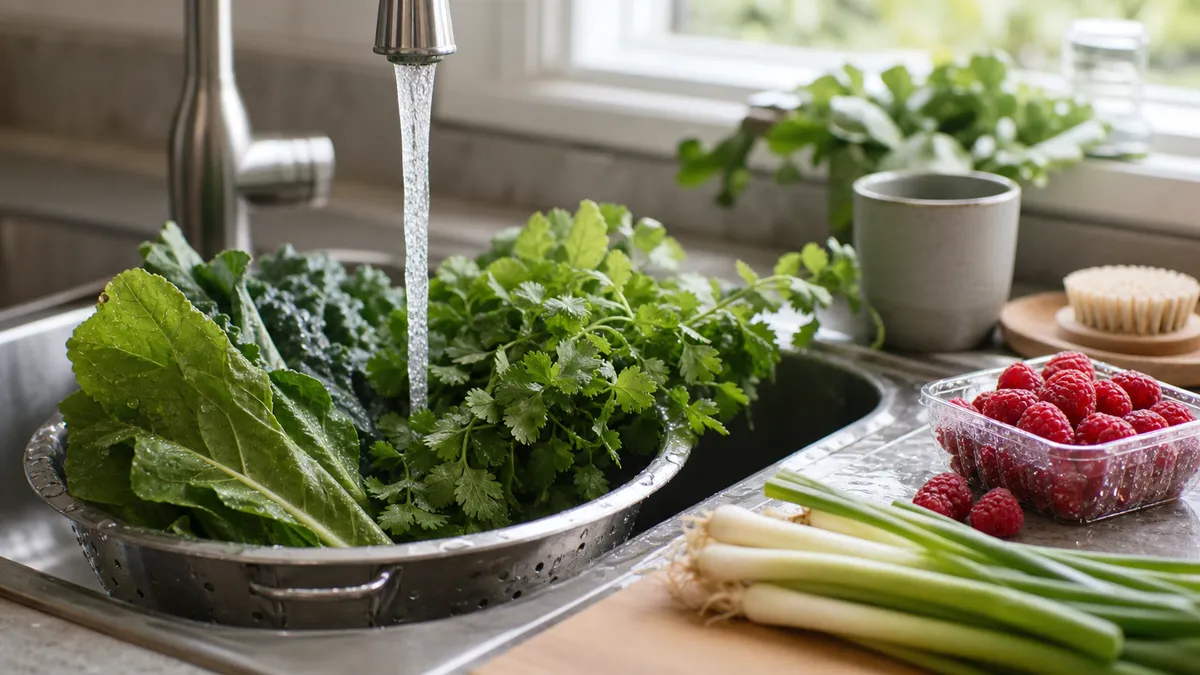
For food handling, CDC recommends washing hands before and after preparing raw produce, washing fruits and vegetables under running water before eating, cutting or cooking, scrubbing firm produce with a clean brush, cutting away damaged spots, and refrigerating cut or cooked produce within two hours.
Michigan officials have also advised consumers during the investigation to consider whole heads of lettuce instead of prewashed bagged lettuce or salad mixes, remove the outer leaves, wash the remaining leaves under running water, and cook vegetables when possible. Washing can lower risk, but officials caution that Cyclospora can cling to some foods.
What happens next
The most useful update will be a confirmed food source, recall or narrow consumer advisory. Until then, treat the outbreak as a produce-safety story rather than a reason to avoid all fresh food. People in affected areas should follow local health department updates, keep receipts or packaging if they become sick, and report suspected foodborne illness so investigators can connect cases faster.


