
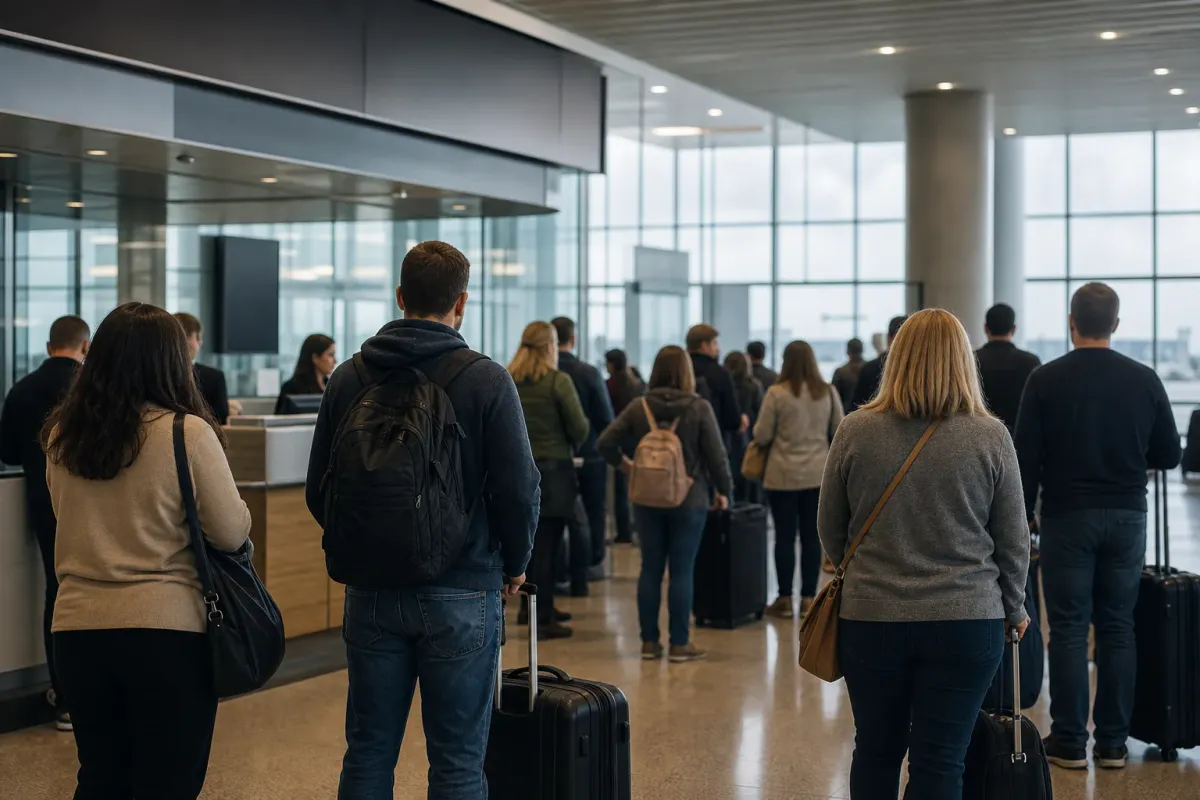
A flight diversion or emergency return can turn a routine trip into a scramble: passengers may be sent back to the gate, moved to another aircraft, handed a voucher or told to wait for instructions. Searches for emergency-landing guidance jumped in the United States on July 10, 2026, after reports of a Ryanair flight returning to Thessaloniki, Greece, but the practical question is broader than one incident.
Once everyone is safe and off the aircraft, the most useful move is not arguing at the desk first. It is preserving the facts of your itinerary, deciding whether you still want to travel and checking which passenger-rights system covers the flight.
The short answer: keep your original boarding pass and booking record, ask the airline to put the rebooking or refund choice in writing, and do not accept a voucher if what you want is a cash refund that the rules require.
Do this first
- Save the timeline. Take screenshots of the original departure and arrival times, the new arrival estimate, the gate display and airline app messages.
- Ask what happened in plain terms. You do not need a technical explanation, but you do need to know whether the flight was canceled, significantly delayed, returned to origin or rerouted to a different airport.
- Keep receipts. Meals, hotel rooms, ground transport, phone chargers, medicine replacement and basic toiletries can matter later, especially on international trips.
- Check your bags before leaving the airport. If checked luggage did not arrive, file the airline's mishandled-bag report before you go.
- Get medical help if symptoms show up. After a severe onboard event, chest pain, breathing trouble, head injury, fainting, severe anxiety symptoms or burns should be treated as health issues first, not customer-service issues.
Check the rule that covers your trip
For U.S. flights, the Department of Transportation says passengers are entitled to a refund if an airline cancels a flight, regardless of the reason, and the passenger chooses not to travel or accept a credit, voucher or other compensation. DOT guidance also treats certain major schedule changes as refund-triggering events, including a scheduled late arrival of at least three hours for domestic itineraries or six hours for international itineraries.
DOT guidance is more limited on delay compensation. For domestic U.S. itineraries, federal rules generally do not require extra compensation just because a flight is delayed or canceled, although airline commitments, customer-service plans and baggage rules can still matter.
For flights covered by European Union air passenger rules, the details are different. The EU says a flight is treated as canceled when an aircraft takes off, is forced to return to the airport of departure and passengers are transferred to another flight. In cancellation cases, passengers generally have a choice between reimbursement, rerouting or return, plus airport assistance. EU delay compensation can also apply when passengers reach the final destination at least three hours late, unless the airline proves extraordinary circumstances.
What to document before you accept anything
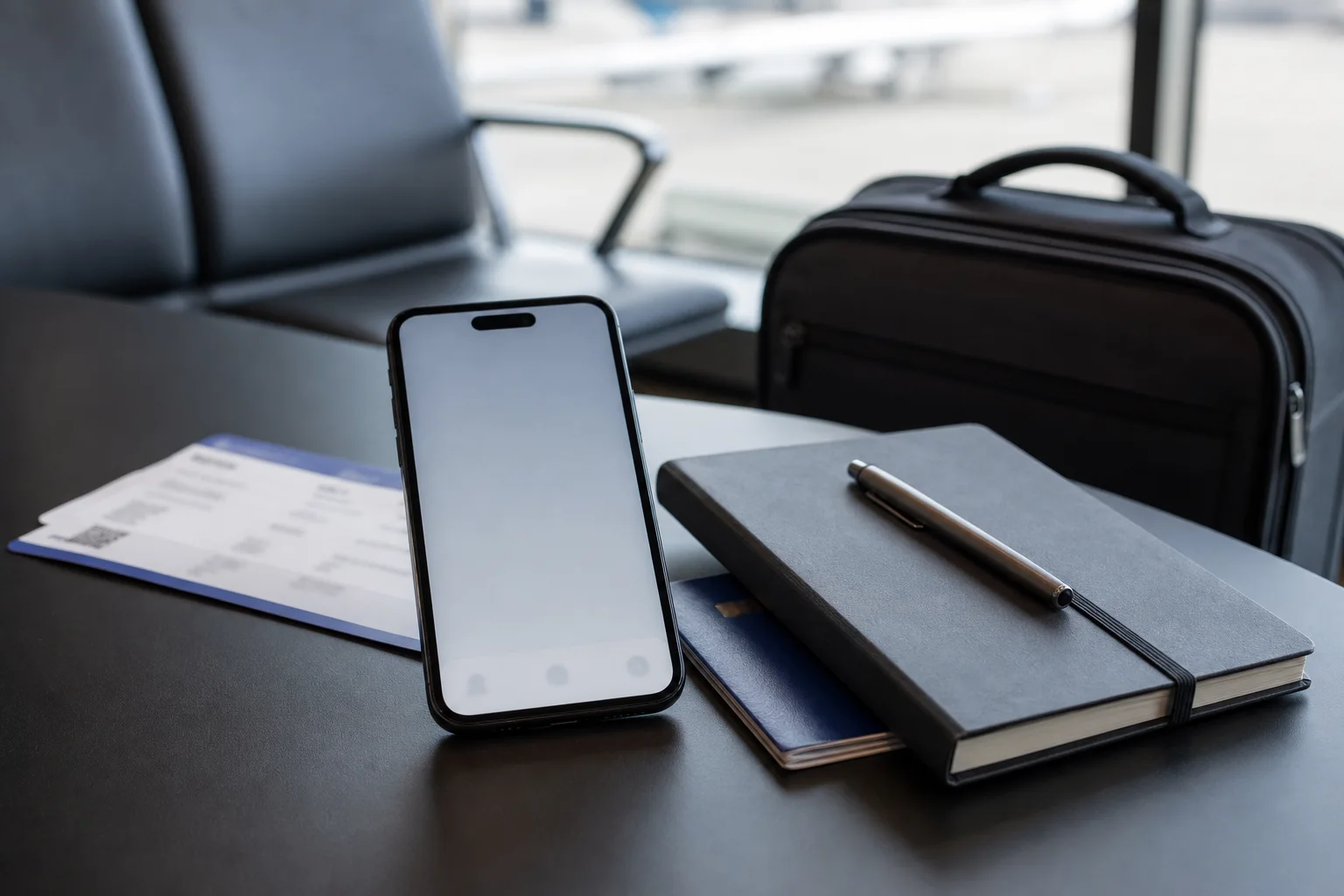
Write down the flight number, booking reference, aircraft departure time, diversion airport, actual arrival time and the time you were allowed to leave the aircraft. If the airline moves you to a new flight, save the new flight number and arrival time too. If staff make a verbal promise about hotels, meals, taxis or reimbursement, ask for the same instruction by text, email, app notification or printed notice.
Be careful with vouchers. A voucher may be useful if you still plan to fly with the airline, but it can also close off a simpler refund path. DOT says airlines making alternative-transportation offers must tell passengers when they are entitled to a refund if they do not accept the offer.
Common mistakes
- Leaving without a bag report. For a delayed checked bag, start the paper trail at the airport even if the airline says the bag is coming later.
- Deleting airline alerts. App notifications and emails can prove when the airline told you about a cancellation, delay or new flight.
- Assuming every delay pays cash. U.S. and EU rules are not the same, and compensation can depend on the route, cause and final arrival time.
- Ignoring travel insurance deadlines. Some policies require prompt notice, specific receipts or proof from the airline.
When to get help
If the airline denies a refund or reimbursement you believe is owed, start with the airline's written claim process and attach only the records that matter: itinerary, receipts, delay timeline, bag report and the airline's written offer. U.S. passengers can also review DOT complaint options, while EU travelers can contact the national enforcement body for the country involved.
The bottom line is simple: after a frightening or exhausting diversion, safety comes first, then documentation. The decision to accept a new flight, wait overnight or request a refund is easier when you know which rule applies before you tap the voucher button.


