
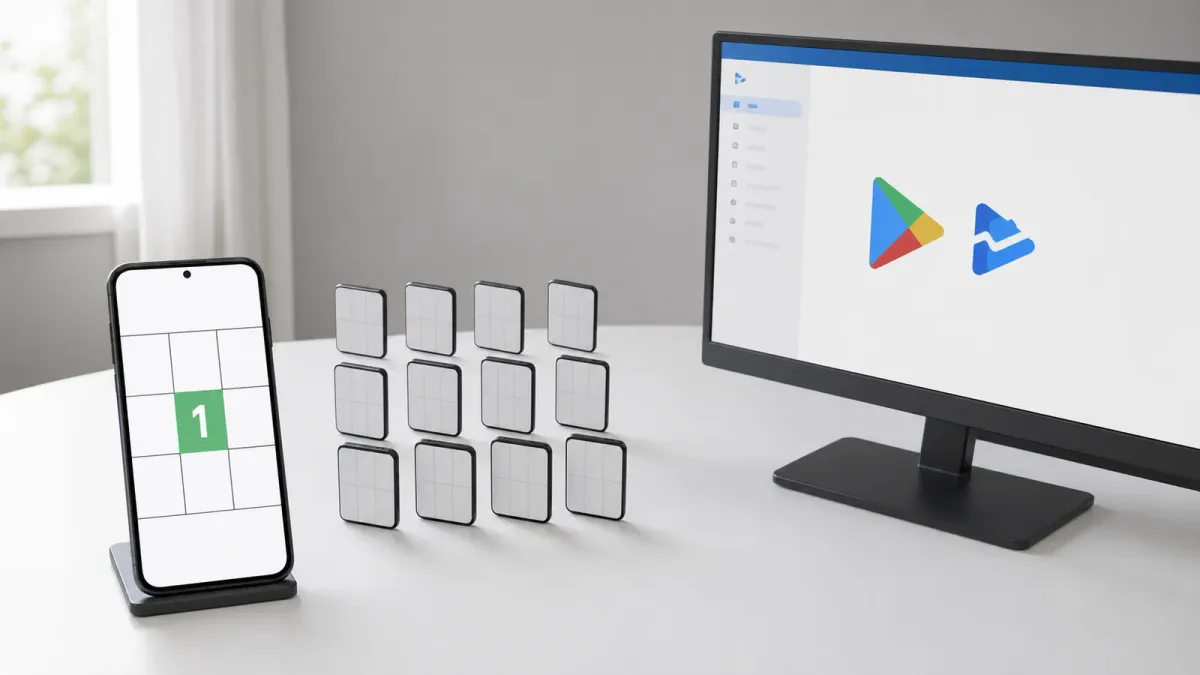
Analysis: Google says its closed-testing rule helps new developers find problems before releasing an app. In practice, the policy is blocking small developers for a reason that has little to do with software quality: whether they can recruit a dozen people on demand.
The rule applies to personal Play Console accounts created after November 13, 2023. Before Google will accept an application for production access, a developer must run a closed test with at least 12 testers who remain opted in for 14 continuous days. Google then reviews the application, a process it says usually takes seven days or less and can take longer.
That is not a requirement to own 12 test devices, as the rule is sometimes described. It is a requirement to recruit 12 people with eligible Google accounts and keep every one of them enrolled long enough to satisfy Google’s clock. For a solo developer, the distinction does not make the burden meaningfully smaller.
Pure Sudoku is now waiting at Google’s gate
Pure Sudoku’s Android app was created in Play Console and its signed first release entered internal testing on July 16, 2026. The app already includes classic Sudoku, daily challenges, leaderboards, multiplayer modes, PS News, notifications and a lifetime remove-ads purchase. Internal testing lets us validate a build quickly, but it does not count toward the mandatory production-access test.
We still have store-listing and Data Safety work to finish before the closed test can begin. Once that work is complete, however, the 12-tester rule becomes an unavoidable production barrier. Even if the app is stable, the listing is accurate and automated tests are green, Google will not let us launch until the recruitment threshold and 14-day waiting period are satisfied.
That slows the Android release while the iPhone version is already available. It also shifts work away from fixing bugs and serving players. Instead of spending that time improving the game, a one-person studio has to collect email addresses, explain opt-in links, monitor enrollment and worry that one tester leaving could disrupt the schedule.
Google is measuring reach, not readiness
Google’s stated goal is reasonable. Its Android Developers Blog says testing can identify issues, improve quality and reduce fraud. Google originally set the threshold at 20 testers, then cut it to 12 in December 2024 after acknowledging that developers with small audiences found recruitment difficult.
That concession also exposes the policy’s central flaw. If Google knows audience size is the obstacle, the test is partly measuring a developer’s social network or marketing budget. It does not guarantee 12 different device models, 12 meaningful test sessions or 12 useful reports. A developer can satisfy the number with friends who barely use the app, while a careful solo maker with strong automated coverage and three expert testers remains locked out.
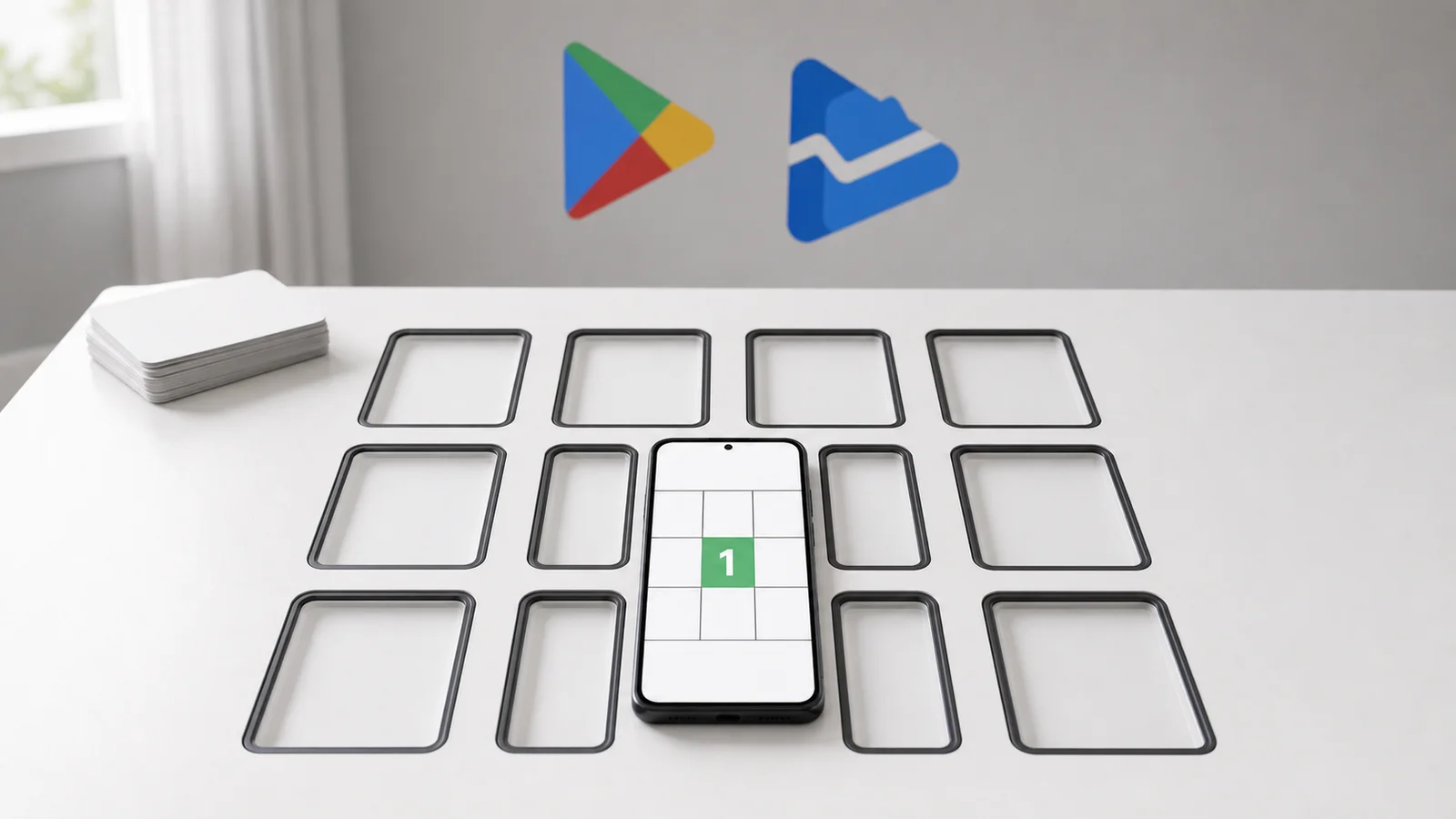
The rule has also created a strange secondary market. Threads and developer forums are filled with people trading test enrollments, asking strangers for Google-account email addresses or paying services to supply testers. That is a predictable response when compliance depends on head count. It can produce checkbox participation rather than the candid, sustained feedback Google says it wants.
A better rule would be risk-based
Google has better tools available. It can verify developer identity and payment details, scan app bundles, run pre-launch reports across virtual and physical devices, review permissions, require accurate Data Safety disclosures and limit initial distribution. It can also increase scrutiny for apps that handle money, health data, children’s information or unusually sensitive permissions.
For an ordinary puzzle game, Google could accept a smaller closed test backed by crash-free sessions, automated-test results and documented feedback. It could allow an immediate staged rollout to a tiny percentage of users, with automatic suspension if crash, abuse or policy signals cross a threshold. It could also grant faster access to developers who have completed identity checks and maintained clean records on other platforms.
None of those alternatives eliminates testing. They connect the gate to observable risk and product readiness instead of a developer’s ability to find 12 favors.
Google should stop making indies prove they have an audience first
Google Play is entitled to protect users, and indie developers should test seriously before launch. But a uniform 12-person, 14-day rule for new personal accounts is a blunt instrument. It delays legitimate releases, rewards superficial tester swaps and falls hardest on the people least able to absorb the delay.
Pure Sudoku will do the work required to reach Android players. That does not make the requirement good policy. Google should replace the fixed recruitment quota with a transparent, risk-based path that lets small developers prove their apps are safe and ready without first proving they can assemble a crowd.


