
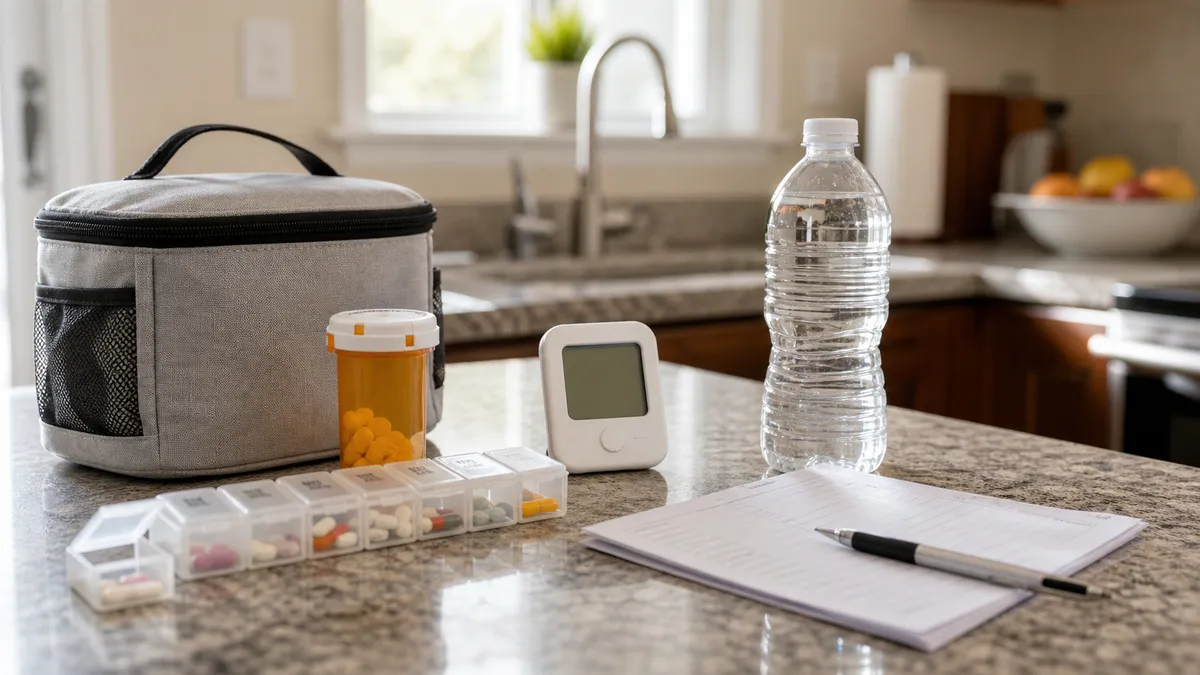
Extreme heat is not only a hydration problem. It can also create practical medication problems for people who use insulin, liquid medicines, biologics, inhalers, patches or any drug with a storage temperature on the label.
The risk is especially easy to miss during summer storms and power outages. The refrigerator may warm up, a delivery may sit outside, a medicine bag may stay in a hot car, or a patient may continue a heat-sensitive drug without realizing its strength may have changed.
The safest first step is simple: check the label, keep the medicine away from direct heat, and call a pharmacist or clinician before guessing about a drug that may have been too warm for too long.
The short answer
Most medicines should be stored in the conditions listed on their label. Some need refrigeration. Some should stay at room temperature but away from heat, moisture and sunlight. Heat can also change how the body handles certain medicines, including drugs that affect sweating, thirst, blood pressure, kidney function or alertness.
That does not mean every medicine exposed to a hot day is ruined. It does mean readers should avoid two common mistakes: using appearance or smell as proof that a medicine is safe, and throwing away a critical medicine before arranging a replacement or getting professional guidance.
Do this first
- Read the storage line. Look for phrases such as refrigerated, store at room temperature, protect from heat, protect from light, or do not freeze.
- Move medicine out of hot places. Do not leave it in a car, on a windowsill, near a stove, in direct sun, or in an outdoor mailbox after delivery.
- Call the pharmacy if the drug warmed up. Pharmacists can check the specific product, not just the general drug name, because storage rules vary.
- Use a cooler carefully. If a medicine needs to stay cold, use an insulated bag or cooler and avoid direct contact with ice packs unless the label or pharmacist says that is safe.
- Make a replacement plan. Know which pharmacy, insurer, doctor or emergency clinic can help if a refill is needed after a long outage.
If the power goes out
CDC power-outage guidance says that some drugs require refrigeration to keep their strength. If the power has been out for a day or more, refrigerated medicines should generally be thrown away unless the drug label says otherwise.
There is an important exception for life-sustaining medicine. CDC and FDA guidance both point to the same practical rule: if a life depends on a refrigerated drug and a new supply is not yet available, use the medicine only until a replacement can be obtained, then replace it as soon as possible.
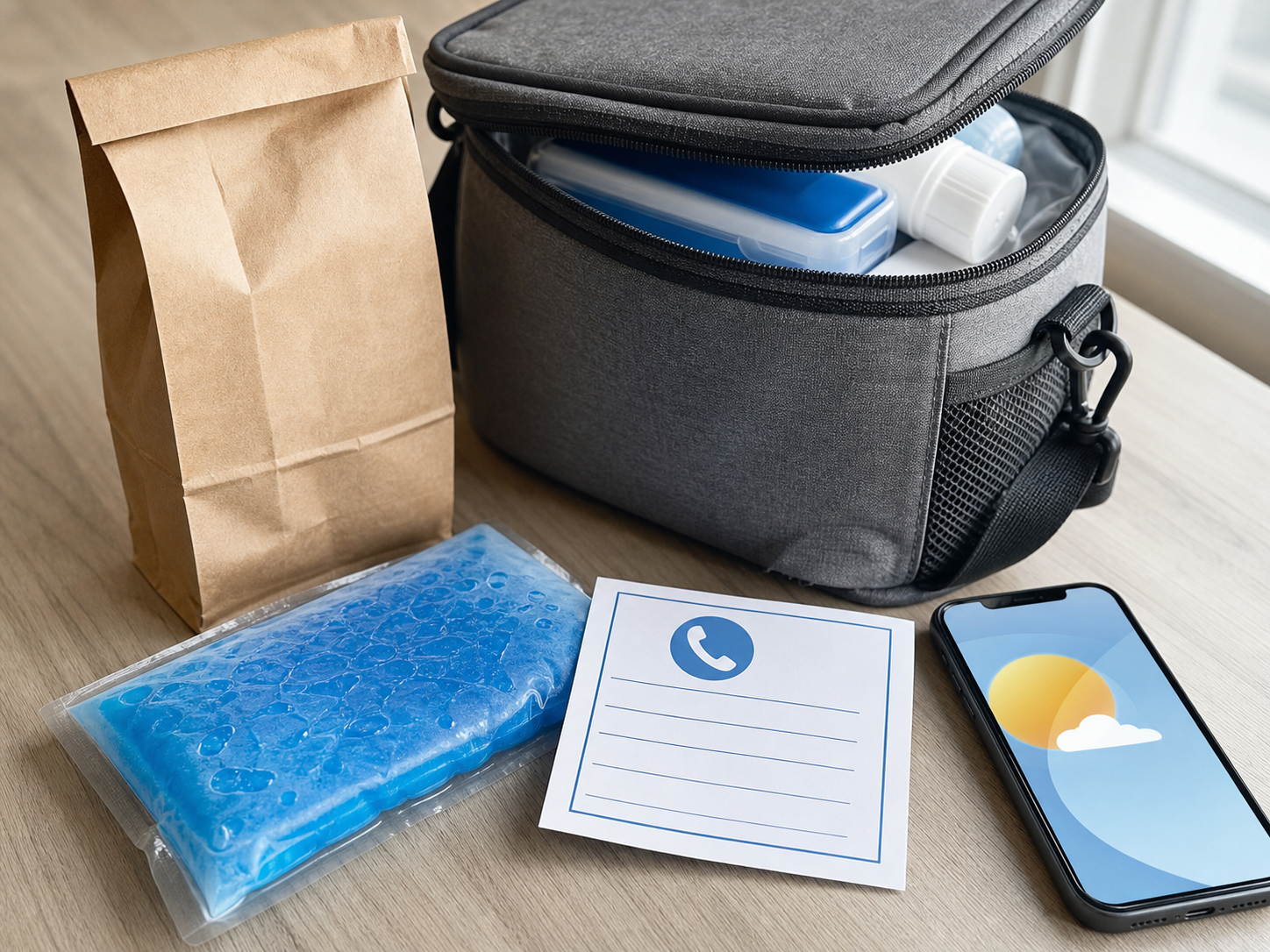
For insulin, CDC diabetes guidance says to keep it cool, avoid freezing it, and keep it away from direct heat and sunlight. If insulin has to be used after storage above 86 degrees Fahrenheit during an emergency, CDC advises regular blood-sugar monitoring and contacting a doctor as soon as possible.
Check these details
Start with medicine that has the least room for error. That includes insulin, rescue medicines, transplant drugs, seizure medicines, refrigerated injectables, liquid antibiotics, eye drops, biologics, and any drug where missed or weakened doses could quickly become dangerous.
Write down four things before the next outage: the exact drug name, the dose, the storage instruction, and the pharmacy phone number. A photo of each label can help, but a written list is useful if a phone dies or service is unavailable.
If a medicine must be mixed before use, follow the product instructions and official emergency guidance. FDA guidance for disasters says that when clean tap water is unavailable, bottled water should be used for drugs that must be reconstituted with water, and liquids other than water should not be substituted.
Common mistakes
Do not put medicine directly on ice unless the pharmacist says it can tolerate freezing. Freezing can damage some medicines just as much as heat can. Use a barrier, keep containers dry, and track the temperature if the medicine has a narrow storage range.
Do not rely on the look of a tablet, vial or injection pen. A drug can lose strength without an obvious change. The label, the manufacturer guidance available to pharmacists, and the time-temperature history matter more than appearance.
Do not store medicine in the bathroom during a heat wave. Bathrooms can become warm and humid, and moisture can damage tablets, capsules and powders. A cooler, drier interior room is usually a better place for medicines labeled for room-temperature storage.
When to get help
Call a pharmacist if a refrigerated medicine was warm, if a room-temperature drug sat in a hot car or mailbox, if a package arrived hot, or if the instructions are unclear. Call a clinician urgently if the medicine controls blood sugar, seizures, breathing, transplant rejection, heart rhythm, blood clotting or another high-risk condition.
Seek emergency help for symptoms of heat illness, severe dehydration, dangerously high or low blood sugar, breathing trouble, chest pain, confusion, fainting or any condition that could become life-threatening without the medicine.
NOAA's Climate Prediction Center has been flagging elevated extreme-heat risk across large parts of the United States in mid-July. That makes this a good week to check labels, freeze gel packs, update the medicine list and decide who to call before the next outage forces a rushed decision.


