
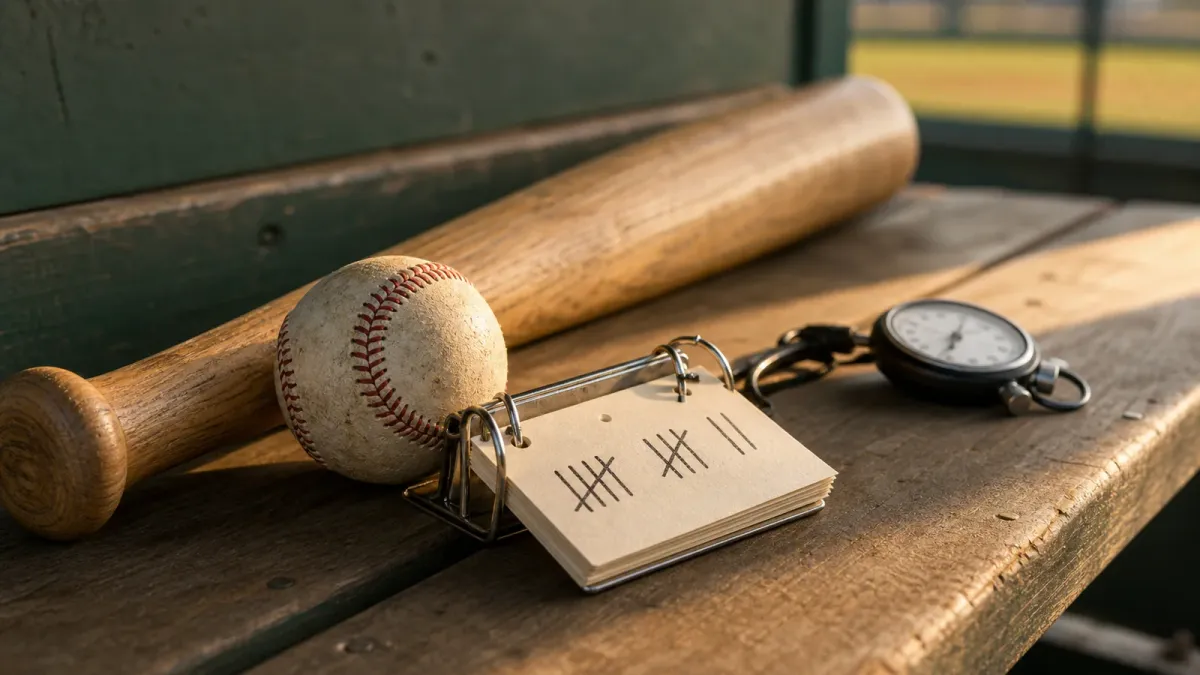
The Home Run Derby changed its rhythm in 2026, and the new format became a search question as soon as Jordan Walker won the event in Philadelphia on July 13, 2026.
The short version: MLB removed the timer and went back to a swing-count system. That means each swing matters, even when it does not leave the park.
The Short Answer
In the first round, all eight hitters get 20 swings. The four players with the most home runs advance. In the semifinal and final rounds, each hitter gets 15 swings.
If a player's final allotted swing in any round is a home run, the hitter keeps swinging until he does not homer. That creates a simple rule for viewers: the round is over when the hitter runs out of swings, unless the last swing extends the run.
How The Rounds Work
Round 1 is not a traditional bracket. Everyone hits in one pool, and the top four totals move on. After that, the semifinal becomes head-to-head: the highest first-round total faces the fourth-highest, and the second-highest faces the third-highest.
The two semifinal winners advance to the final. The champion is the hitter with the higher final-round total, including any extra swings earned by homering on the last allotted swing.
The structure also makes the scoreboard easier to read. Fans do not have to track seconds, bonus periods or pitch speed between swings. The core question is whether a hitter can turn a limited number of attempts into enough home runs to survive the round.
How Ties Are Broken
The tiebreaker depends on the round. In Round 1, ties are settled by longest home run distance among the tied players. That makes one especially deep shot useful even if the total score is tied.
In the semifinal and final rounds, ties are settled by three-swing swing-offs. If the players remain tied, they keep taking three-swing swing-offs until there is a winner.
Why The Change Matters
The old timer format rewarded speed, stamina and quick pitch rhythm. The 2026 version is easier to follow because viewers can count the swings and understand the cost of a miss. It also gives hitters more room to reset between attempts.
The tradeoff is that strategy changes. A hitter no longer has to race the clock, but every chase swing matters. Contact quality, pitch selection and late-round composure become more visible than pure pace.
That is why the final-swing rule matters. A player who homers on the last allotted swing can keep a round alive, so the last swing is not just a formality. It can become the pressure point of the whole matchup.
What To Watch Next
If MLB keeps the format, future Derbies may feel less frantic and more tactical. Watch how players manage the final swing, because a homer there can turn a fixed allotment into an extended rally.
For fans catching up after Walker's win, the main thing to remember is simple: no clock, fixed swings, longest-distance tiebreaker in Round 1, and three-swing swing-offs after that.


