
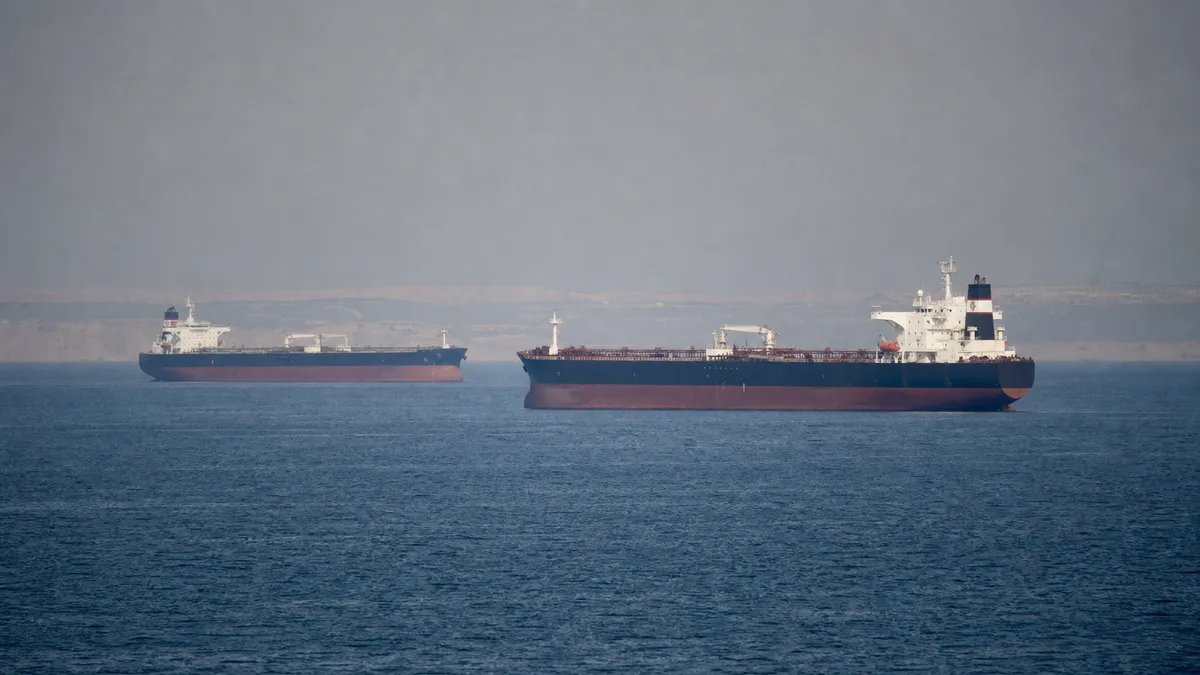
Qatar condemned an attack on one of its liquefied natural gas tankers near the Strait of Hormuz on Tuesday, July 7, after the vessel was hit by a projectile and caught fire, according to reporting from Al Jazeera and the Associated Press. The incident added a fresh security risk to a waterway that energy traders and ship operators watch closely.
The ship, identified by Qatari Foreign Ministry spokesman Majed Al Ansari as Al Rekayyat, was transiting near the waterway when it was struck. Al Ansari said the attack threatened international navigation and global energy supplies, and said Qatar held Iran legally responsible for damage and consequences from the strike.
Iranian state television said the tanker was attacked after ignoring warnings, but Tehran did not directly claim responsibility. The UK Maritime Trade Operations center said the vessel was hit near Limah, Oman, while traveling south out of the strait toward the Gulf of Oman, and reported no casualties or environmental damage.
UKMTO later reported two more Tuesday incidents involving commercial ships in the same wider corridor. One vessel was struck by a drone and sustained minor structural damage, while another was hit by an unidentified projectile and was believed to have structural damage. No injuries were reported in either case, and authorities said investigations were continuing.
Why it matters for markets
The Strait of Hormuz is one of the world's most important energy chokepoints, carrying crude oil, refined fuel and LNG between Gulf producers and global buyers. Even limited attacks can raise insurance, rerouting and security costs before they show up in consumer prices.
The immediate market signal is uncertainty rather than confirmed supply loss. Reports so far point to damaged ships but no casualties, spill or closure of the strait. That makes the next key questions practical ones: whether vessels keep using the same lanes, whether naval escorts or warnings change, and whether more attacks follow.
For readers, the story is worth watching because shipping disruptions can move quickly from regional security issue to energy-price risk. The difference between a one-day incident and a sustained campaign will depend on follow-up reports from maritime monitors, Gulf governments and ship operators through the next several days.