

A recall headline rarely means every product with that brand name is unsafe. Most notices identify a narrower group using details such as package size, Universal Product Code, lot or batch code, model number, serial number, manufacturing date and where the item was sold.
The fastest safe response is to pause use when the notice tells you to, then match every identifying detail against an official recall page. A brand name or product photo by itself is usually not enough.
Do this first
- Find the official notice. Use the relevant federal agency’s recall database or the manufacturer link listed there.
- Keep the product and packaging nearby. You may need the label, box, receipt, accessories or photographs to claim the remedy.
- Match all identifiers. Check the exact product name, size, UPC, lot or model number, date code and distribution area.
- Follow the notice word for word. Stop-use, storage, disposal and return instructions differ by hazard.
- Save proof. Photograph the product and identifying label before returning, repairing or discarding anything.
Start with the right agency
The U.S. Food and Drug Administration posts recalls involving many foods, medicines, medical devices, cosmetics and other FDA-regulated products. Its food notices commonly list product name, package size, UPC, lot code, sell-by or use-by date, photographs and distribution information.
The Consumer Product Safety Commission covers thousands of household products, including appliances, furniture, toys, batteries and tools. Its recall pages identify affected models and explain whether the remedy is a refund, repair or replacement.
A search result or social post can alert you to a recall, but the agency notice should be the source of truth. Headlines may omit an excluded size, a limited date range or a later update to the remedy.
UPC, lot code and model number are not interchangeable
A UPC identifies a product configuration sold at retail. Many units of the same item share it. A lot or batch code narrows the product to a production run, which is why a recall can apply to one group of bottles or packages but not the next. A model number identifies a consumer-product design, while a serial number can identify one individual unit.
Date codes, manufacturing windows and plant codes can narrow the scope further. The notice may require two or more fields to match. If the UPC matches but the lot does not, do not assume the product is included unless the official instructions say otherwise.
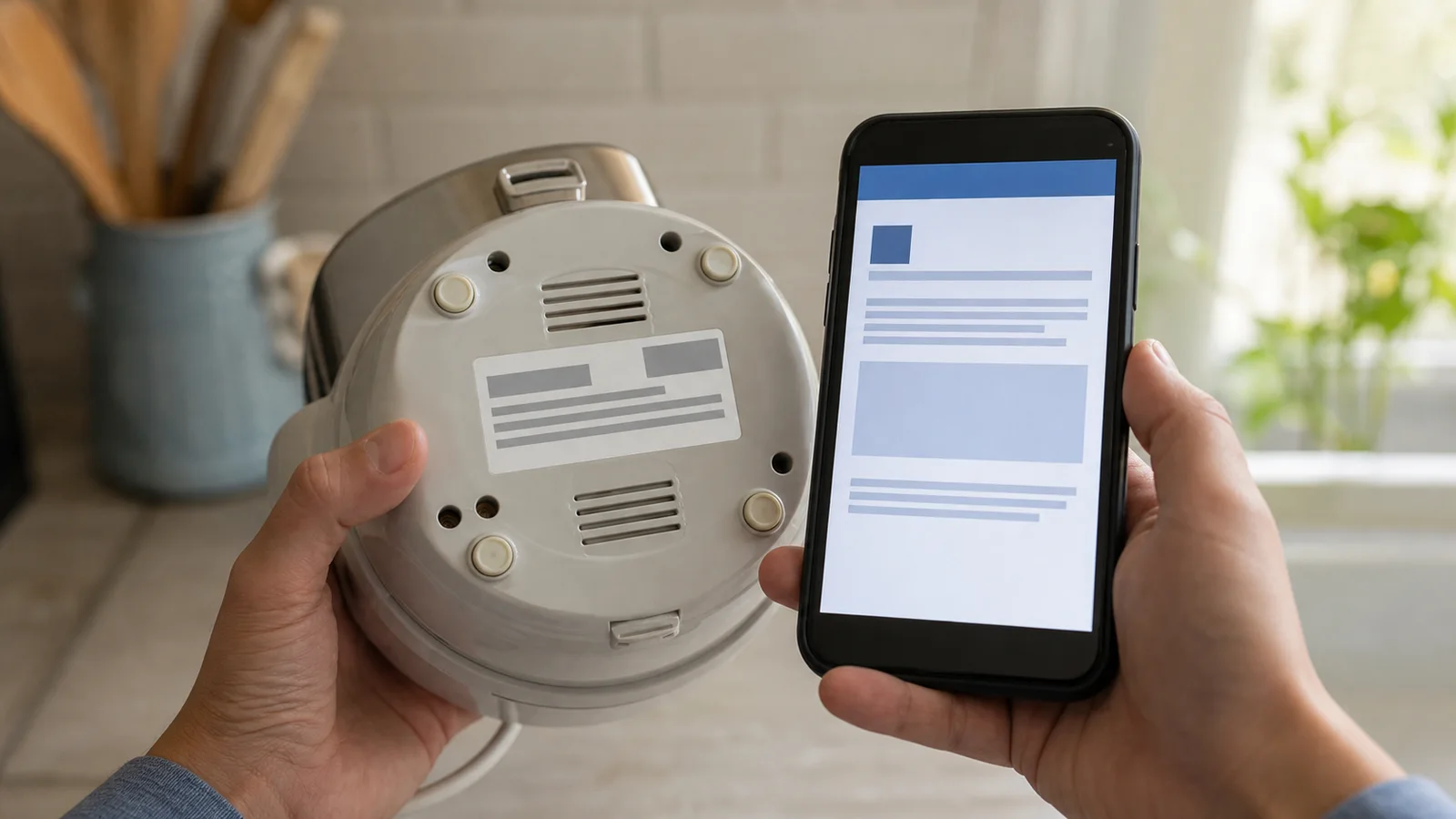
Where to find the identifying code
For food and personal-care products, look on the bottom, back label, cap, package seam or near the expiration date. Medicine labels may print the lot near the expiration date, while a pharmacy can help identify a recalled prescription product when the original manufacturer container is not in your possession.
For appliances, electronics, furniture and tools, check a rating plate or sticker on the underside, back, battery compartment or power-cord area. Do not disassemble an item or expose yourself to the reported hazard just to reach a label. The recall notice may show the safe location.
What the remedy can require
A recall does not always mean “take it back to the store.” The remedy may be a refund, replacement, repair kit, software update, new warning label or instructions to have a component removed by a professional.
Some companies require a photograph of the product and identifying code. Others ask consumers to mark or disable an item before disposal. Lithium-ion batteries and contaminated food can have special disposal rules, so placing a recalled item in household trash without checking may create another hazard.
For food recalls, FoodSafety.gov says not to eat the product, donate it or feed it to pets. The FDA may also instruct consumers to clean and sanitize shelves, countertops, cutting boards or utensils that contacted contaminated food.
Common mistakes
- Matching only the brand and ignoring the size or lot.
- Throwing away packaging before documenting the code.
- Continuing to use an item because it looks normal.
- Returning a hazardous product to a store when the notice says to dispose of it.
- Giving recalled food to another person or pet.
- Reselling a recalled consumer product before the approved remedy is completed.
- Using an old screenshot after the official notice has been updated.
When to get help
Contact the manufacturer through the phone number or website in the official notice when a code is unreadable or the instructions are unclear. If a company does not provide the promised consumer-product remedy after you have contacted it, the CPSC has a recall complaint form for remedy problems.
If you believe a recalled food or FDA-regulated product made you sick, contact a health professional and use the reporting route listed by the FDA. For an immediate emergency, call 911 or the appropriate local emergency service.
The bottom line
A recall is a matching exercise before it becomes a return or disposal task. Confirm the exact product, locate the code that defines the affected production run, save evidence and follow the current official remedy. That five-minute check prevents both false alarms and the more serious mistake of keeping an affected item in use.


