
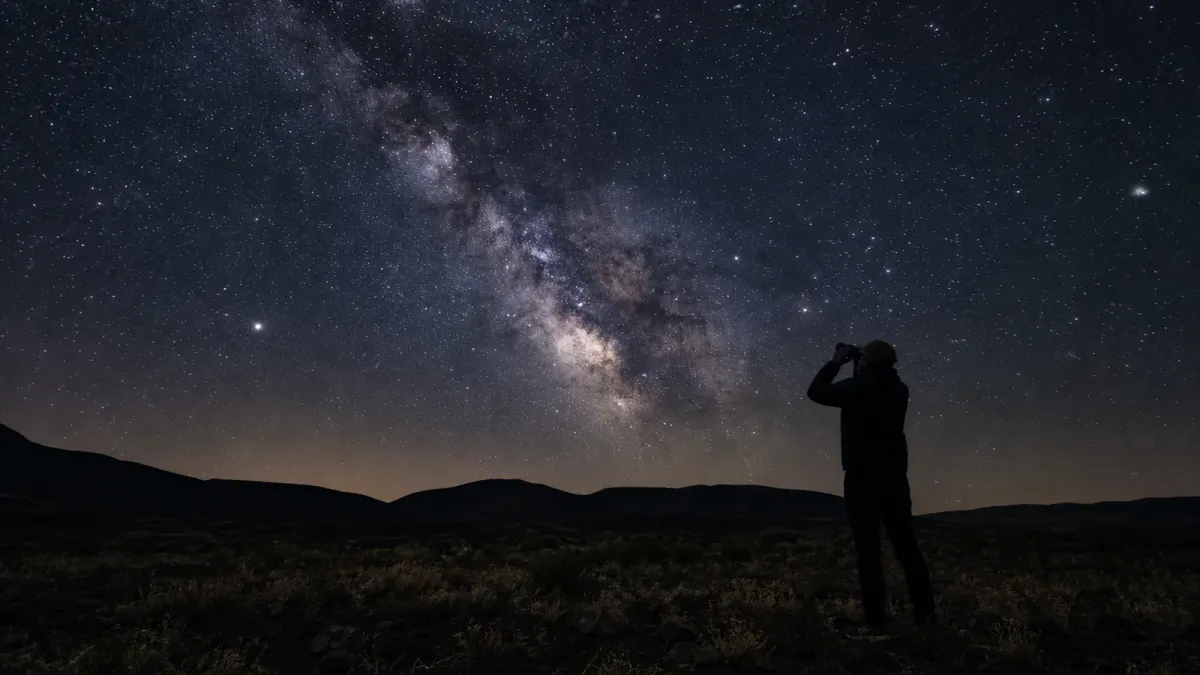
The new moon on Tuesday, July 14, 2026, gives skywatchers one of July's cleanest windows to look for the Milky Way without moonlight washing out the faint band of stars. NASA's July skywatching guide says the dark nights around the new moon are also a good time to look for Comet 10P/Tempel 2, though the comet is a binocular or telescope target rather than a naked-eye showpiece.
The useful part is simple: if your sky is clear and you can get away from city lights, the next few nights are better than most for seeing the bright central region of the Milky Way. The moon will not be competing for attention, and summer places Scorpius and Sagittarius in the evening sky for many Northern Hemisphere viewers.
The short answer
Go somewhere genuinely dark, start after twilight has fully ended, and look low toward the southern sky late in the evening. NASA says the Milky Way appears as a pale, cloudy band from a dark location, with its brighter central region near Scorpius and Sagittarius. Your exact view depends on latitude, weather, haze, wildfire smoke, light pollution, and the local horizon.
EarthSky lists the July 14 new moon at 9:44 UTC, which is early Tuesday morning in the Americas. Space.com also lists the new moon for July 14, with the next major July moon phases coming on July 21 for first quarter and July 29 for the full moon. That matters because the moon grows brighter after new moon, gradually making deep-sky objects harder to see from suburban and urban locations.
How to plan the night
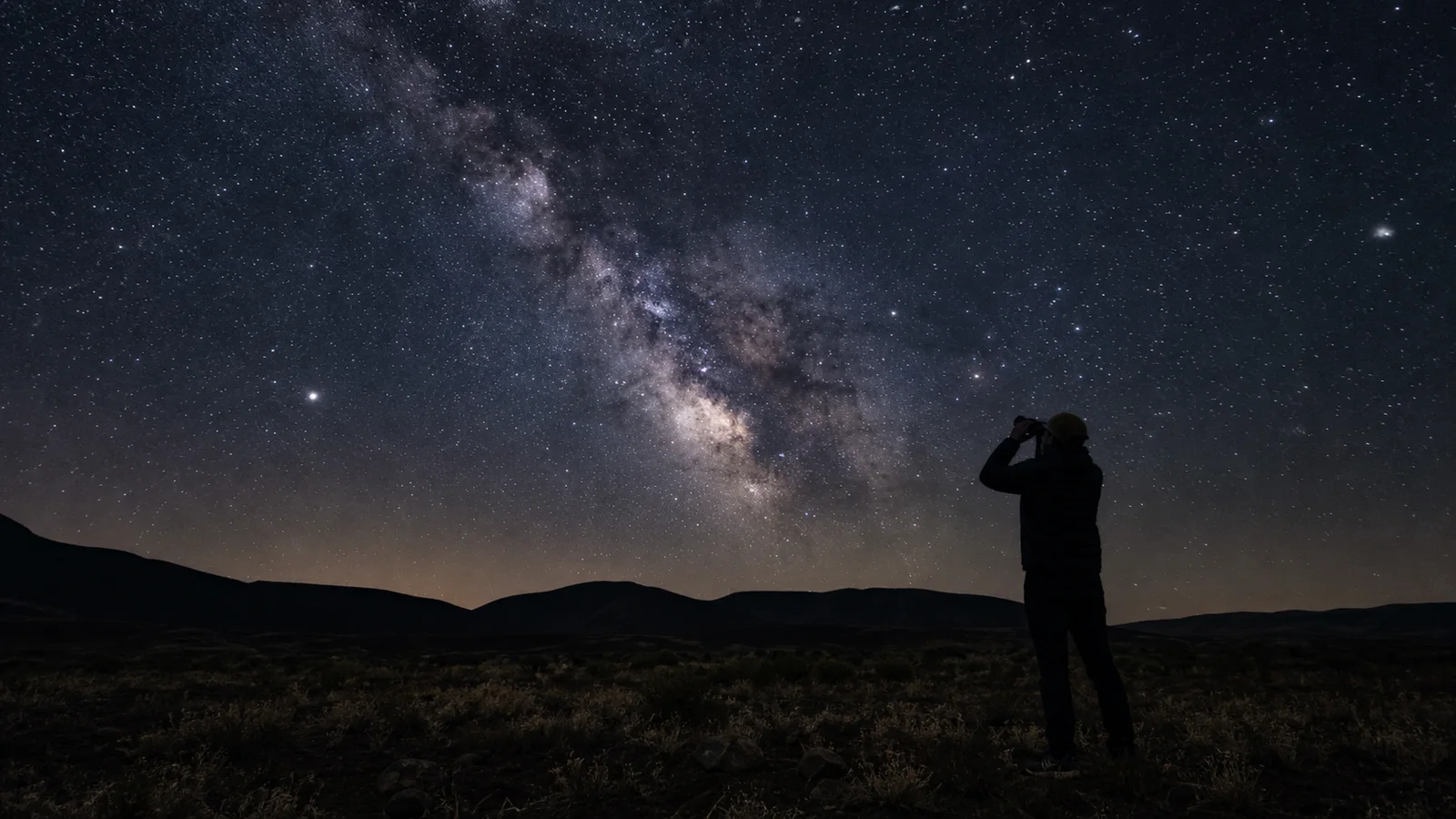
Pick the darkest practical site first. A rural park, public dark-sky area, campground, or open overlook is usually better than a backyard near streetlights. Check local rules before entering parks after hours, and choose a place where parking, walking paths, and the return trip are straightforward in the dark.
Then check the sky. Clouds, smoke, fog, and humidity can matter as much as the moon phase. A moonless night under haze will disappoint; a modestly dark site under a clear, dry sky can still be rewarding. If Tuesday night is cloudy, the nights immediately around the new moon can still work because the moon remains thin and dim.
Give your eyes time. It can take about 20 to 30 minutes in darkness before faint sky detail becomes easier to see. Keep phone brightness low, use a red-light mode if you have one, and avoid sweeping car headlights or bright flashlights across your viewing spot.
What to look for
NASA points viewers toward Scorpius and Sagittarius for the bright central region of the Milky Way. Scorpius is the hook-shaped star pattern low in the southern sky, while Sagittarius is often recognized by the Teapot-shaped group of stars nearby. The Milky Way's central band runs through that region, though it will look subtle to the eye compared with long-exposure photos.
If you bring binoculars, scan slowly rather than expecting one dramatic target to jump out. Star clouds, darker dust lanes, and dense patches can become more obvious as your eyes adjust. A reclining chair or blanket helps because the most comfortable viewing usually comes from looking upward for longer than a quick glance.
What not to expect
The Milky Way will not look like a saturated photograph. Cameras collect light over several seconds or minutes; the eye sees a softer, gray-white band. If you can barely see it at first, give your eyes more time and shield yourself from nearby lights. If it still is not visible, light pollution or sky conditions are probably winning.
The comet is also a modest target. NASA describes Comet 10P/Tempel 2 as a regular short-period comet that returns to the inner solar system about every 5.5 years, but says it is not the kind of comet most people will spot simply by looking up. Binoculars or a telescope and a good sky map will help.
What to watch next
The dark-sky window fades as the moon returns to the evening sky. First quarter arrives on July 21 and the full moon follows on July 29, so the best Milky Way chances are clustered near the new moon. Later in the month, NASA says Saturn's rings remain an interesting telescope target because they appear unusually thin from Earth's current viewing angle.
For casual observers, the bottom line is practical: choose a clear dark site, start after the sky is fully dark, put the phone away, and look south. The new moon does not guarantee a perfect view, but it removes one of the biggest obstacles between you and the summer Milky Way.


