
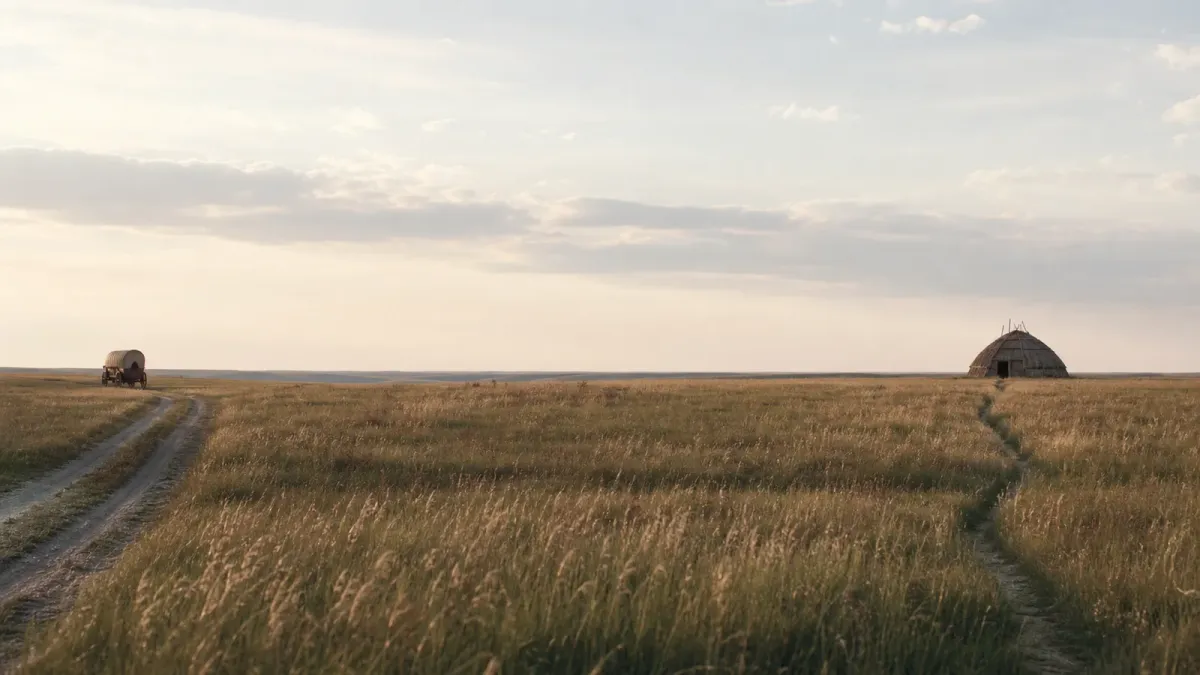
Netflix’s new Little House on the Prairie still follows Laura Ingalls and her family west. But this time, the prairie is not presented as empty land waiting for settlers. The series gives substantially more space to the Osage people already living there and to the consequences of westward expansion.
Season 1 began streaming July 9 and quickly became a major online conversation. Its most consequential change is not a new cast or more cinematic survival scenes. It is the decision to run the Ingalls family’s hopes alongside an Osage family’s experience of the same history.
That approach grew from direct consultation. Osage people worked in acting, production and advisory roles, while researchers used materials from the Osage Nation Museum to inform clothing, hair, props and a scene involving the Drum Creek Treaty. The result does not remove the Ingalls family from its own story. It changes the frame around them.
What changed
The series is based primarily on the third book in Laura Ingalls Wilder’s collection. It follows Charles and Caroline Ingalls and their daughters, Mary and Laura, as they try to establish a home near Independence, Kansas. Familiar frontier dangers remain: difficult travel, illness, fire, animals and the physical work of building a life.
The new adaptation also introduces the Mitchell family and a wider Osage community with deep roots in the region. Laura forms a friendship with an Osage girl, while the adult characters confront questions about treaties, settlement and land that earlier screen versions left largely outside the frame.
Showrunner Rebecca Sonnenshine told the Associated Press that the story still examines the American ideal of reinvention and rugged individualism. But the series also asks viewers to see how one family’s opportunity could arrive through another community’s dispossession.
How Osage consultation shaped the production
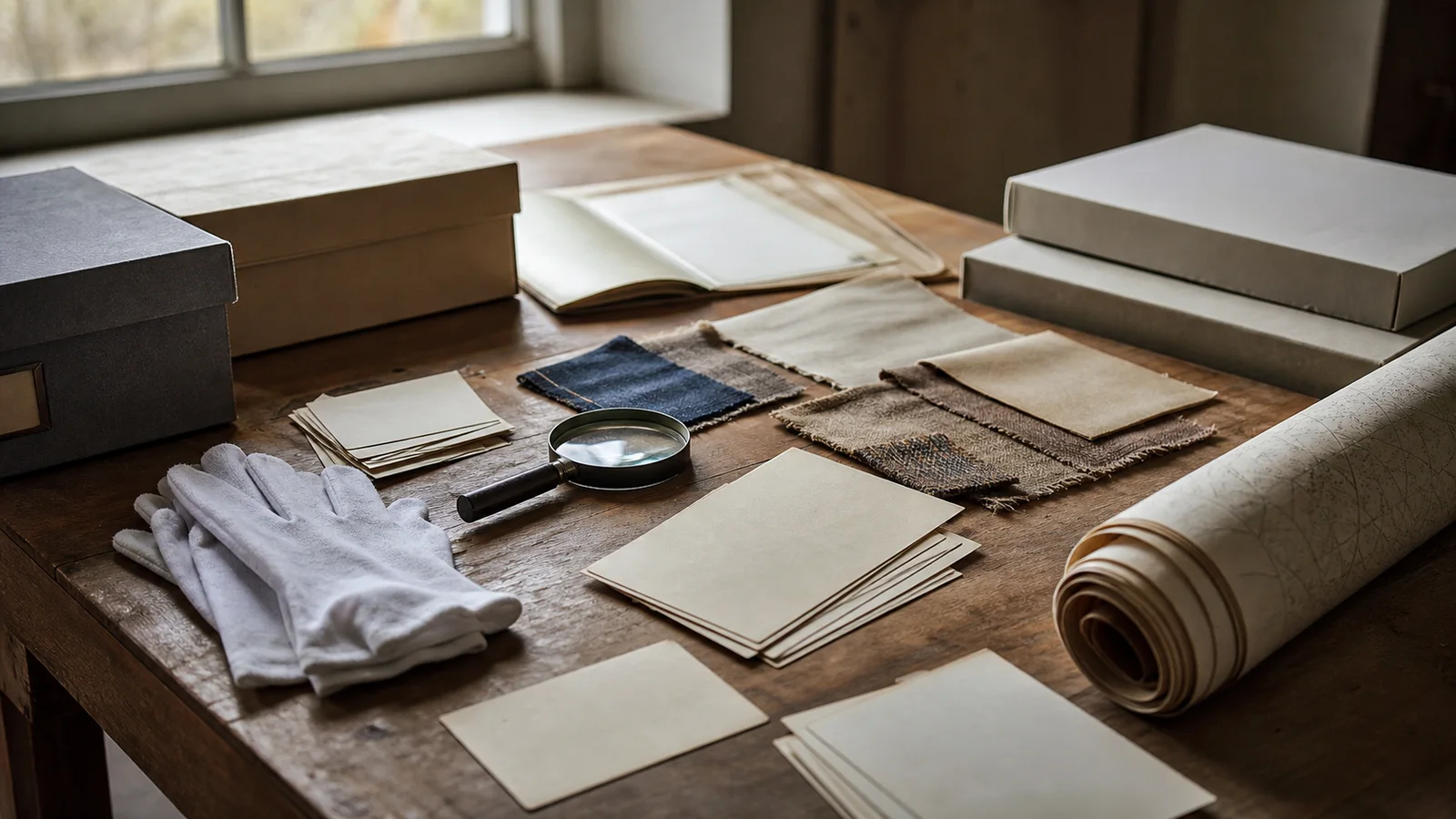
Julie O’Keefe served as an Osage cultural consultant. According to Osage News, the production team worked with Osage consultants and community members on the people, settings and material culture shown in the series. O’Keefe said research held by the Osage Nation Museum supported multiple departments, including costume, hair and makeup, lodge design and accessories.
Historical photographs from the museum helped the production study Osage clothing from the 1860s and 1870s. The museum’s research also informed interior and exterior details used for the Drum Creek Treaty sequence. Osage actors later attended a private screening of an episode addressing the treaty.
Osage scholar and novelist Robert Warrior also consulted on the series. Osage News reported that he advised the production against using an overly familiar narrative shortcut for the Osage family at the center of the parallel story. That kind of involvement matters because consultation is more than checking whether a costume looks convincing. It can change which characters have interior lives and which historical questions the story is willing to ask.
Why the land question matters
The cultural power of Little House has always come from intimacy. Readers and viewers experience the frontier through chores, weather, meals, danger and the bonds of one family. That closeness can also narrow the view. When the land appears only through the settlers’ eyes, Indigenous presence can become background—or disappear altogether.
The new series makes that absence harder to sustain. Netflix describes the Ingalls family as trying to settle land they were told was “free,” while encountering Osage people who had long called it home. Through parallel family stories, the show contrasts settlers’ aspirations with the damage inflicted on Indigenous communities.
That does not automatically resolve every tension in Wilder’s material. A mainstream family drama still has to balance affection for its central characters with an honest account of the system surrounding them. The meaningful test is whether Osage characters are allowed to exist as people with goals, relationships and political realities of their own—not simply as moral instruction for the Ingalls family.
What the reboot keeps
The production is not trying to replace Little House with a lecture. Sonnenshine has emphasized family, community and the desire for a better life as the emotional core. Alice Halsey plays Laura, Luke Bracey plays Charles, Crosby Fitzgerald plays Caroline and Skywalker Hughes plays Mary. The cast also includes Alyssa Wapanatâhk, Meegwun Fairbrother, Wren Zhawenim Gotts and Xander Cole among the characters in the expanded Indigenous storyline.
The Netflix series returns to Wilder’s books rather than remaking the Michael Landon television show scene by scene. That earlier NBC adaptation ran for nine seasons beginning in 1974 and became the version many viewers remember most clearly.
The bigger picture
The reboot arrives amid a broader argument over what period dramas owe to the people omitted from older versions of national history. Adding another perspective can be dismissed as updating a classic for modern tastes. Here, however, the Osage presence is not being imported into an unrelated story. It is part of the history of the place and period the story already claims to depict.
That makes the adaptation’s wider lens more than a cosmetic change. It asks whether audiences can preserve what they value in a familiar family story while becoming more precise about the land, treaties and communities around it.
What comes next
Netflix renewed Little House on the Prairie for a second season before the first season’s debut. Season 2 is expected to follow the Ingalls family to Walnut Grove, Minnesota, and introduce Nellie Oleson, one of the franchise’s best-known characters.
The Osage storyline therefore belongs most directly to the Kansas chapter now streaming. Its lasting significance will depend on whether viewers see the expanded perspective as integral to the frontier story rather than an addition around its edges. The new series’ central proposition is simple: telling both sides does not make the prairie smaller. It makes the world of Little House more complete.


