
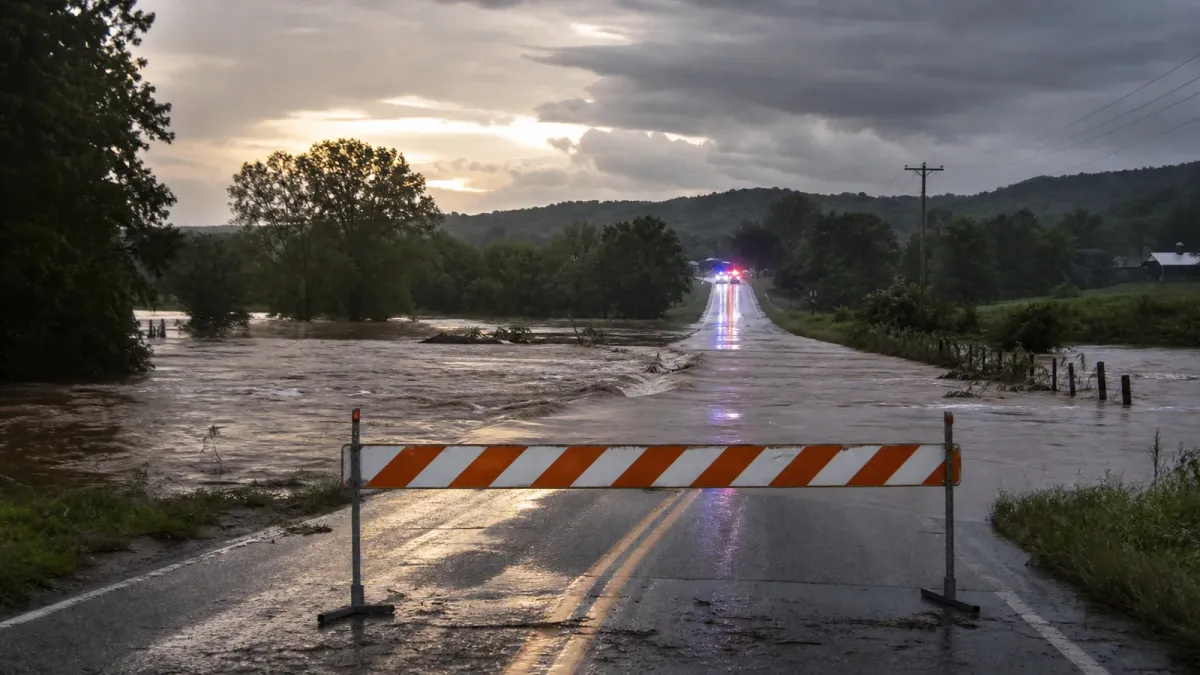
More than 200 children and staff members were airlifted from a Missouri summer camp after extreme rainfall triggered destructive flash flooding, as officials warned that additional storms could renew the danger across saturated parts of the state and neighboring river valleys.
One person remained missing Saturday, July 11, after the flooding forced numerous rescues and evacuations. Missouri Gov. Mike Kehoe declared a state of emergency, activating the state emergency operations plan and directing agencies to assist affected communities.
The Missouri governor’s office said flash flooding affected homes, roads and campgrounds. The Missouri State Highway Patrol, State Emergency Management Agency, Division of Fire Safety, Missouri State Parks and other agencies joined local responders.
What changed
Parts of southeastern Missouri received roughly 6 to 12 inches of rain as repeated thunderstorms moved across the region, according to the Associated Press. Floodwater isolated Camp Taum Sauk, where Missouri National Guard Black Hawk helicopters transported more than 200 campers and staff to safety.
Emergency teams also carried out other swift-water rescues. The scale of the response and the rapid rise of water prompted the National Weather Service to issue flash-flood emergencies for multiple locations Friday.
The initial storms moved south, but the threat did not end with the rescues. Missouri emergency officials warned that further thunderstorms could create additional flash flooding, particularly where the soil is saturated and streams remain high.
Where the risk continues
The National Weather Service said severe weather affected a broad corridor from the Ozarks eastward into the Ohio and Tennessee river valleys. Heavy rain, damaging winds and scattered flash flooding could affect parts of the multistate region into Sunday.
Conditions can vary sharply over short distances. A road that appears passable in one location may be washed out or covered by fast-moving water farther ahead. Local warnings, road closures and evacuation instructions should take priority over a regional forecast.
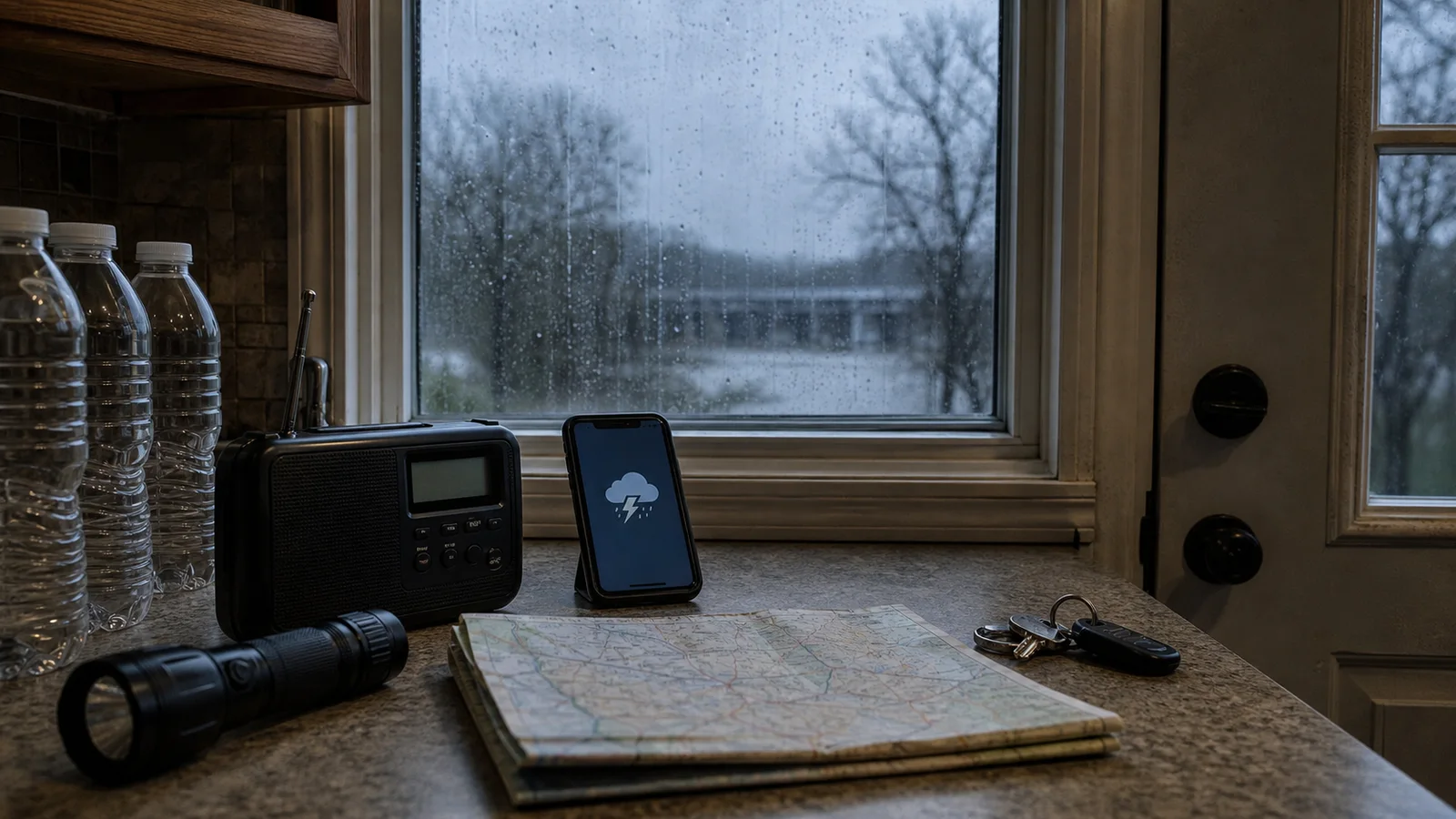
What residents should do
- Move to higher ground when warned. Do not wait to see water enter a home, campground or road.
- Never drive through floodwater. Water can conceal a washed-out road and can move a vehicle unexpectedly.
- Respect road barricades. They may mark damage that is not visible from the driver’s position.
- Use multiple alert sources. Keep Wireless Emergency Alerts enabled and monitor local National Weather Service and emergency-management updates.
- Keep nighttime alerts audible. Flash flooding can develop rapidly while people are sleeping.
- Check on vulnerable neighbors. Older adults, people with disabilities and households without reliable transportation may need help responding to an evacuation notice.
Missouri’s State Emergency Management Agency says flooding is the state’s deadliest severe-weather hazard and that most flood deaths occur in vehicles.
What remains uncertain
Officials had not yet completed a full assessment of damage to roads, homes, campgrounds and other infrastructure. The missing-person search also remained active, and the location and intensity of additional thunderstorms would determine whether new warnings or evacuations were needed.
Residents should rely on local authorities for the latest conditions. A statewide emergency declaration helps mobilize resources, but it does not mean every community faces the same immediate threat.
What happens next
Search, recovery and damage-assessment work will continue as water recedes. Emergency managers will also monitor additional rainfall and determine whether areas already hit by flooding need further evacuations or state assistance.
People in southeastern Missouri and flood-prone areas farther east and south should check local forecasts before traveling, avoid low-water crossings and be prepared to change plans quickly if a flash-flood warning is issued.


