
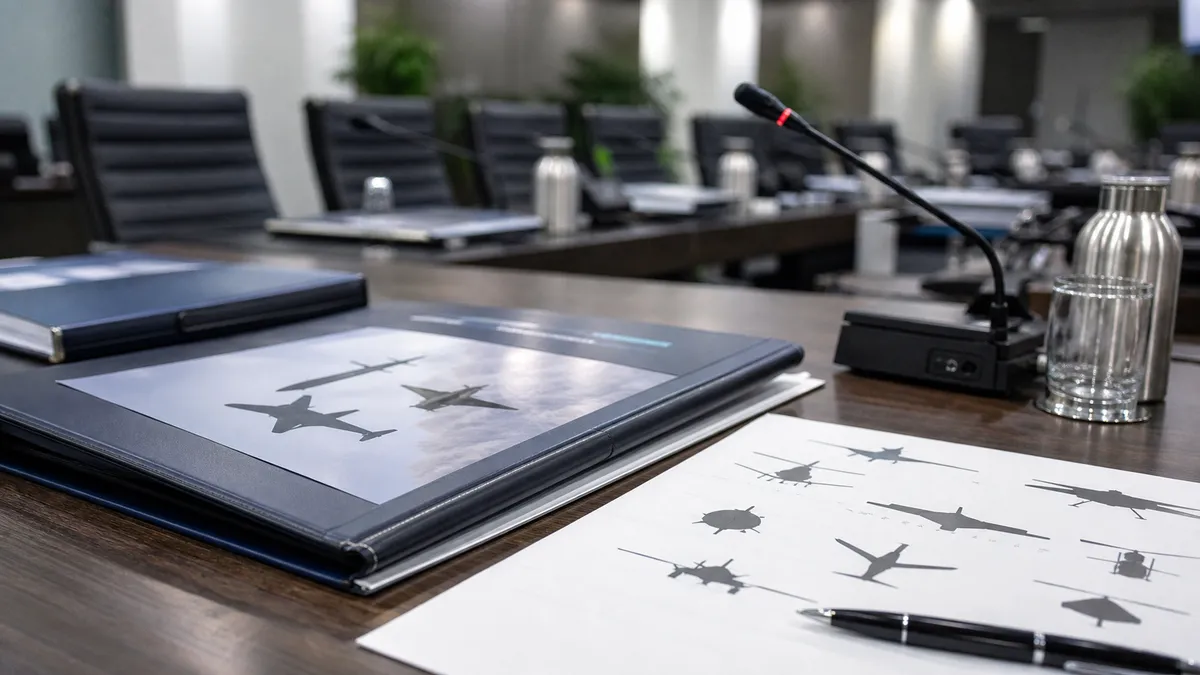
NATO's summit in Ankara moved from spending promises to procurement on Tuesday, July 7, 2026, as the alliance used its defense-industry forum to show that higher military budgets are meant to become real equipment, production lines and support for Ukraine.
The official NATO summit program says the July 7 forum is focused on the alliance's 5% defense-investment plan and on how that money is being put into increased defense production, cooperation and joint procurement. The summit itself runs July 7-8 in Ankara, Türkiye.
The Associated Press reported Tuesday that NATO and allied industry announced billions of dollars in arms deals as leaders gathered, including plans tied to Saab GlobalEye surveillance aircraft, Airbus refueling and transport aircraft, and Triton drones.
Why the deals matter
The headline number is less important than the production signal. NATO has spent years pressing members to spend more, but Ukraine's war has exposed a harder problem: ammunition, air defense, drones, aircraft and spare parts cannot be delivered at political speed if factories, suppliers and contracts are not ready.
That is why joint procurement matters. When several allies buy together, they can give manufacturers larger and more predictable demand. That can justify new production shifts, longer supplier contracts and faster standardization across NATO forces. It can also reduce the risk that every country competes for the same limited equipment in a crisis.
The Ankara forum also gives European leaders a way to answer U.S. pressure over burden sharing without relying only on percentage targets. A 5% pledge may satisfy a summit communique, but aircraft orders, drone programs and production timelines are easier to judge later. Either the equipment arrives, or it does not.
The other question is interoperability. NATO can spend more and still struggle if members buy incompatible systems, maintain separate supply chains or train around different standards. A forum built around joint procurement is meant to push the alliance toward common platforms, shared maintenance and faster replacement capacity.
What to watch next
The first test is whether the summit announcements turn into signed contracts, delivery schedules and factory capacity rather than recycled pledges. The second is whether Ukraine sees practical effects soon enough to matter on the battlefield, especially in air defense and surveillance.
The politics are still difficult. AP reported that President Donald Trump's arrival in Ankara put extra attention on allied spending and on tensions over Turkey, Ukraine and future U.S. commitments in Europe. Those disputes will shape the summit narrative, but the industrial question is more durable.
For readers, the useful takeaway is simple: NATO is trying to move from promise to output. The alliance can announce larger budgets in a day, but deterrence depends on whether those budgets become ships, aircraft, drones, interceptors, ammunition and repair capacity at the scale a long crisis would require.