
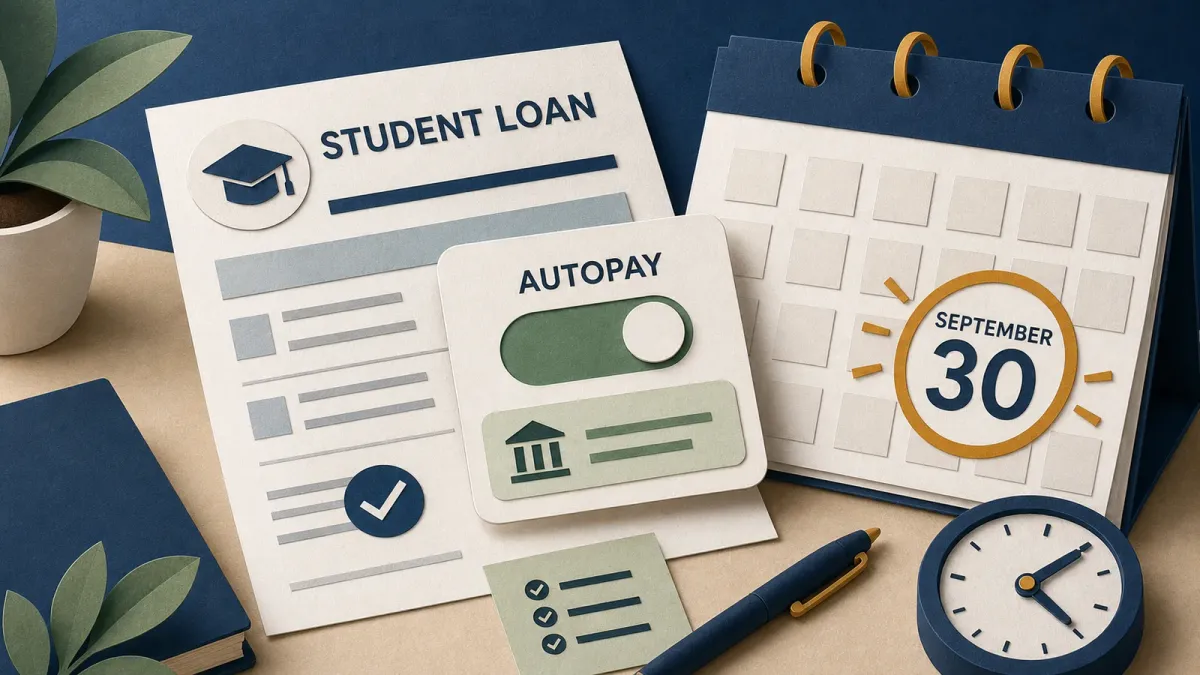
Federal student loan borrowers have a new reason to look at autopay before the fall: a temporary 1% interest-rate reduction is available for eligible borrowers who are enrolled by September 30, 2026.
The discount started July 1, 2026, and is scheduled to run through June 30, 2028. It replaces the usual 0.25% autopay discount with a larger temporary reduction for borrowers who remain enrolled.
The offer can be useful, but it is not a reason to set automatic withdrawals blindly. Borrowers should first check whether their loans qualify, whether they can keep enough cash in the linked account, and whether they need to change repayment plans before autopay is available.
Do this first
Check your loan type. The Education Department says the temporary reduction is for Federal Direct Loans originated after July 1, 2012. If you have older federal loans, commercially held loans, or private student loans, do not assume the same rule applies.
Log in through your servicer, not a random link. Borrowers who are not already enrolled must use their student loan servicer account and choose the autopay or auto debit option. You should enter bank information only after confirming you are on the official servicer site.
Confirm the payment amount. Autopay can help prevent missed payments, but it can also create overdraft risk if the withdrawal is higher than expected. Check the monthly amount, the withdrawal date, and whether extra payments are handled separately.
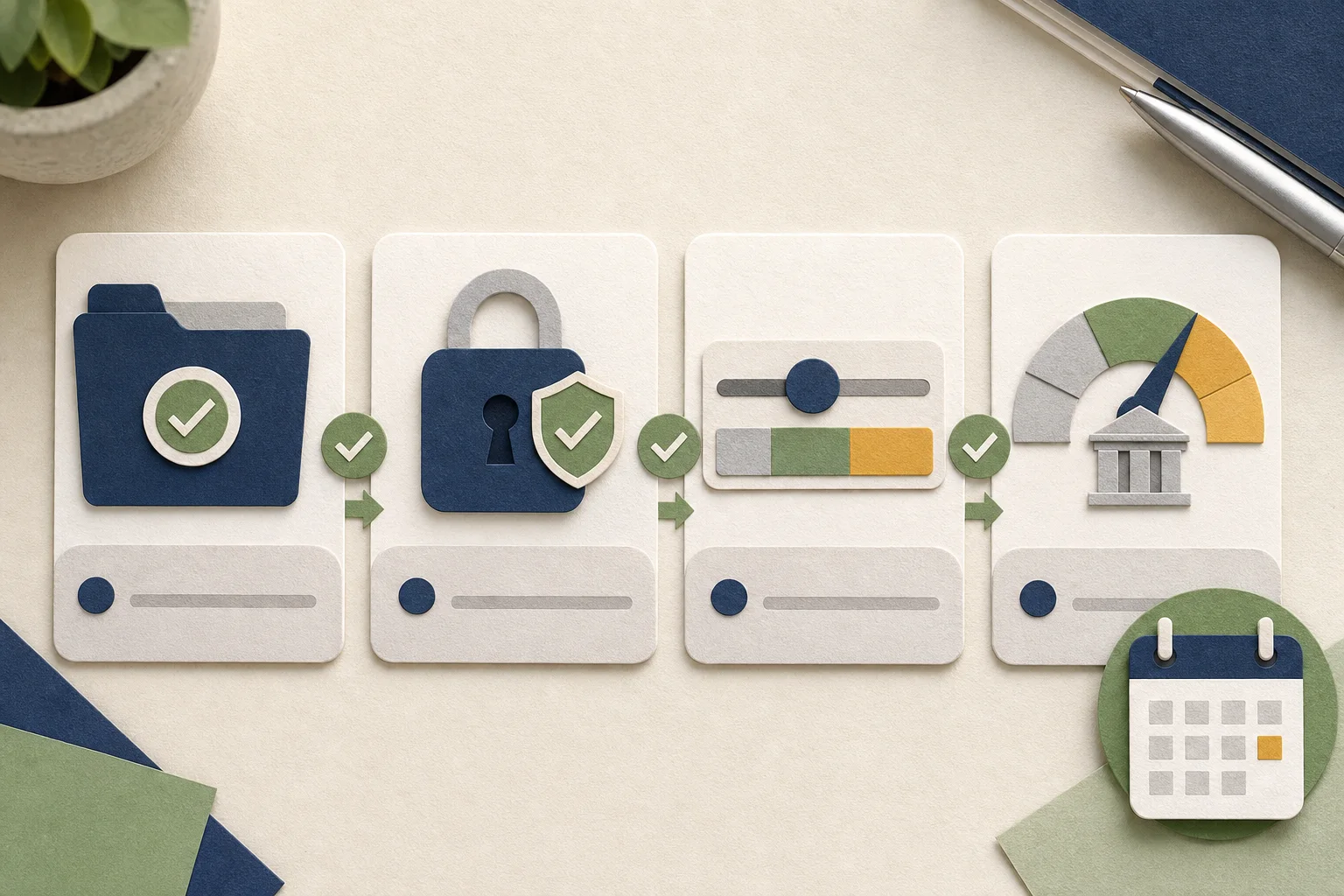
Mark the deadline. Borrowers who need to enroll must do so by 11:59 p.m. Eastern time on September 30, 2026, to receive the temporary benefit through June 30, 2028, according to servicer notices.
Who gets the discount automatically
If you are already enrolled in autopay on eligible federal loans, the Education Department says you do not need to take a new action for the larger discount. The existing autopay reduction should increase by an additional 0.75 percentage point, bringing the total reduction to 1% while the temporary benefit remains active.
That does not mean you should ignore your account. Confirm that the reduced rate is reflected correctly, that your bank account on file is current, and that the withdrawal amount still fits your budget under your repayment plan.
Who may need an extra step
Borrowers in default may not be able to turn on autopay immediately because they are not in active repayment. The Education Department says defaulted borrowers need to bring eligible loans back into good standing, including through consolidation and a new repayment plan, before they can use autopay for the discount.
Borrowers affected by the end of the SAVE repayment plan may also need to choose a legal repayment plan before autopay becomes useful. Federal Student Aid and servicer pages have directed those borrowers to review newer repayment options, including the Repayment Assistance Plan and the Tiered Standard plan.
What the 1% cut can and cannot do
A 1% interest-rate reduction lowers the rate used to calculate interest on eligible loans while the benefit applies. That can reduce the amount of interest that accrues and can help more of each payment go toward the balance.
It does not erase missed payments, change your principal balance by itself, or make an unaffordable payment affordable. It also does not turn a private loan into a federal loan or restore eligibility for borrowers whose loans do not meet the program rules.
The size of the savings depends on your balance, interest rate, repayment plan, and how long you keep autopay active. Borrowers with larger balances or higher rates generally have more to gain, but the cash-flow risk is also more important if the automatic withdrawal could hit before a paycheck clears.
Common mistakes
One common mistake is enrolling in autopay without checking whether the account has enough cushion every month. A lower interest rate is not helpful if the automatic withdrawal triggers bank fees or forces you to miss rent, utilities, or other priority bills.
Another mistake is confusing the federal discount with private lender autopay offers. Private student lenders often advertise their own autopay reductions, but those are separate programs with their own terms.
A third mistake is assuming that autopay solves repayment-plan problems. If your payment is too high, use the official Federal Student Aid tools or contact your servicer to compare repayment options before deciding whether automatic withdrawals are safe.
Bottom line
Borrowers with eligible Federal Direct Loans, stable cash flow, and accurate servicer information should check autopay before September 30. The temporary 1% discount is one of the clearer student-loan changes taking effect this summer.
Borrowers who are in default, leaving SAVE, or unsure which loans they have should slow down and verify the next step first. The right order is eligibility, repayment plan, payment amount, bank-account safety, and then autopay enrollment.


