
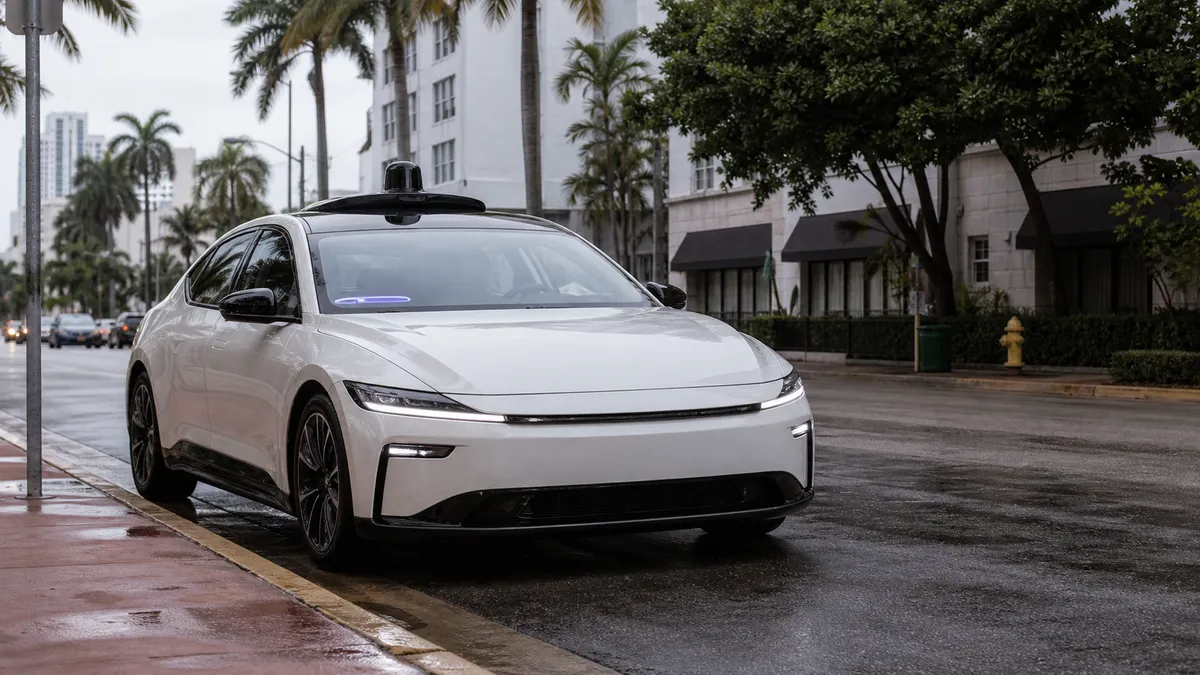
Tesla's Robotaxi service is now available in limited areas of Miami, giving the company its most visible Florida test yet for autonomous ride-hailing.
The clearest confirmation comes from Tesla's own Robotaxi support page, which says service is currently provided in limited areas of Miami, Florida, and in Austin, Dallas and Houston, Texas. Tesla says riders use the Robotaxi app, enter a destination inside the displayed service area, review the estimated fare and wait time, and confirm the ride from the app.
Reuters reported on Monday, July 6, 2026, that Tesla said on Friday its robotaxi was available in Miami, describing the move as part of a wider push to expand autonomous ride-hailing while competitors including Alphabet's Waymo and Amazon's Zoox build their own networks.
What riders should know
This is not the same thing as citywide availability. Tesla describes the Miami footprint as limited, and the app shows a service map based on the rider's location and destination. Investor's Business Daily reported Tuesday that the current Miami area is geofenced and excludes major destinations such as downtown Miami, Miami Beach and the airport.
Tesla's support page says Robotaxi is currently available from 6 a.m. to 2 a.m. CT, that riders must book through the mobile app, and that the fleet will initially consist of Model Y vehicles. The company also says riders cannot order a ride for someone else, cannot book without a mobile device, and cannot sit in the front-left seat.
Why investors are watching
The Miami launch matters because Tesla's valuation increasingly depends on whether autonomy can become more than a promise attached to its car business. Reuters noted that the robotaxi push is central to CEO Elon Musk's effort to shift Tesla's story toward AI and robotics, while IBD reported that Tesla shares rose Monday as investors weighed the Miami expansion and the pace of the rollout.
The hard question is scale. A small geofence can prove that a service exists, but it does not yet prove that Tesla can handle dense tourism corridors, airports, bad weather, complicated pickup zones or routine rider support at the level needed for a mainstream taxi network.
For now, the useful takeaway is practical: Miami availability is real but narrow. Riders should check the app map before planning around it, and investors should treat the launch as one more data point in a longer test of whether Tesla can turn autonomous driving into a reliable transportation business.