
There is a particular kind of freedom in being bad at something and continuing to do it anyway.
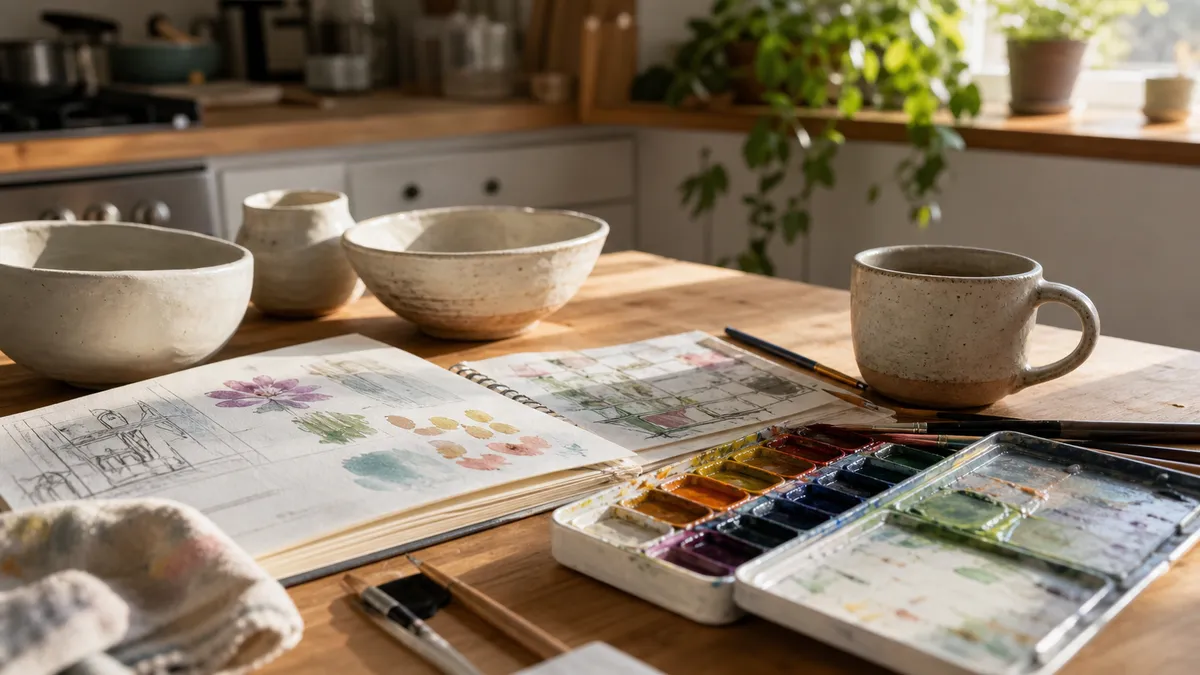
Not bad in a tortured, self-critical way. Not bad as a prelude to a dramatic transformation montage. Just plainly, peacefully bad. The sweater is uneven. The guitar chord buzzes. The watercolor turns muddy. The tennis serve goes long. The bread is edible but strange. The crossword remains half-finished. The garden grows one heroic tomato and several mysteries.
For many adults, that kind of low-stakes incompetence has become surprisingly rare. Work asks for output. Social media asks for proof. Fitness apps ask for streaks. Creative platforms ask for a brand. Even leisure can start to feel like another place to be measured.
That is why being bad at a hobby is not a failure of the hobby. It may be the point.
The short answer
A hobby does not need to become a skill, a side hustle or a public identity to be worthwhile. It can simply be something you do because doing it changes the texture of your day.
Health researchers have found links between enjoyable leisure activities and better psychological and physical functioning. UCLA Health noted in 2025 that hobbies can support mental, cognitive and physical health, while also pointing out that the benefits vary by person, activity and context.
That caveat matters. A hobby helps most when it actually feels like leisure. Once every interest becomes a project for self-improvement, the nervous system may not get much of a break.
Adults forget how to be beginners
Children are expected to be beginners. They draw strange animals, sing off-key, miss the ball, invent rules, change interests and try again with very little concern for whether the activity is productive.
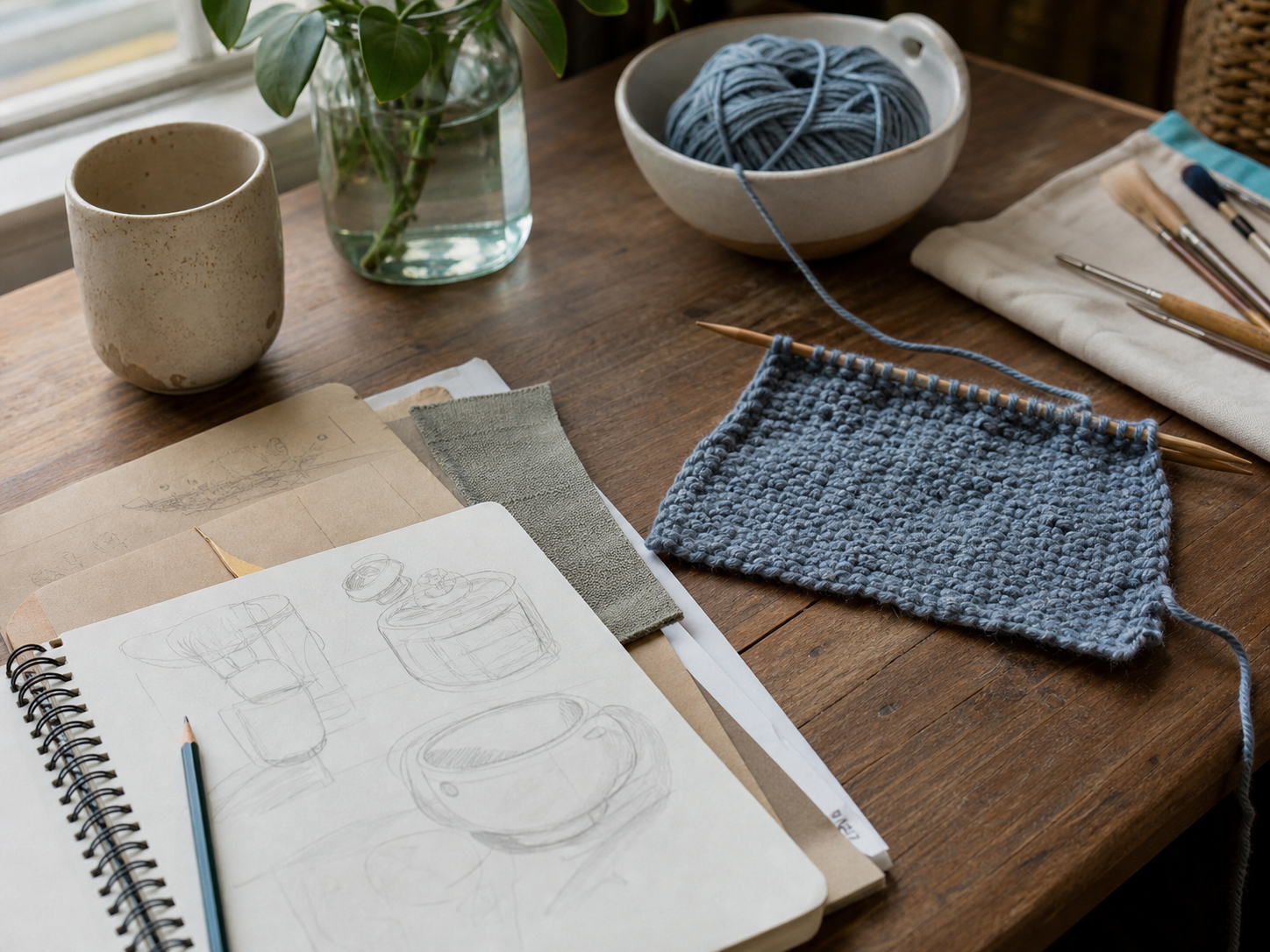
Adults often lose that permission. By adulthood, being visibly bad at something can feel embarrassing. It threatens the image of competence people work hard to maintain. A beginner guitar lesson can feel more exposing than a difficult meeting because the meeting at least happens inside a familiar role.
So people avoid activities they might enjoy because they suspect they will not be good quickly. They say they are not artistic, not athletic, not musical, not handy, not coordinated, not outdoorsy, not a games person, not a cooking person, not the kind of person who does that.
Sometimes that is true preference. Often it is old embarrassment wearing the costume of self-knowledge.
The case for being bad at a hobby begins here: you are allowed to do things that do not confirm your competence.
Bad hobbies resist optimization
The modern internet has made it easier than ever to learn almost anything. That is useful. It has also made it easier to turn every interest into a ladder.
Start running, and soon there are watches, zones, splits, shoes and races. Start baking, and suddenly there are hydration percentages and crumb structures. Start reading, and there are annual goals, public trackers and debates about what counts. Start drawing, and the algorithm offers ten ways to improve your linework before you have decided whether you like holding the pencil.
Improvement is not the enemy. Mastery can be deeply satisfying. The problem is the assumption that enjoyment needs a growth plan to be legitimate.
Some hobbies should be inefficient. Some should produce ugly objects, lost games, bad songs and meals that need rescuing. Some should remain private. Some should be done with no intention of becoming impressive.
When a hobby is allowed to stay slightly bad, it becomes harder to monetize, harder to compare and harder to convert into another obligation. That can make it more restorative.
The best hobby may be the one you cannot use
Many people choose hobbies because they seem adjacent to ambition. A writer journals. A designer learns photography. A manager reads leadership books. A software engineer builds side projects. These can be satisfying, but they can also become extensions of work.
There is a different value in choosing something useless by professional standards.
The accountant takes pottery. The teacher plays drums. The nurse joins a beginner improv class. The programmer learns to salsa dance badly. The lawyer plants herbs. The parent plays chess online and loses with commitment.
The uselessness is protective. It gives the mind a room where performance has fewer consequences. It reminds a person that not every hour has to defend itself.
That matters in a culture where rest often has to be justified as productivity in disguise. Sleep is for performance. Exercise is for longevity. Meditation is for focus. Reading is for knowledge. Even vacation becomes content. A bad hobby says something quieter: this is worth doing because I am a person, not only because I am becoming a better asset.
Being bad can make the hobby social
Competence can connect people, but so can shared incompetence. Beginner classes, casual leagues, craft nights and community workshops often work because nobody is polished yet.
Being bad lowers the stakes for everyone else. It makes room for laughing at a mistake, asking basic questions and admitting confusion. It turns an activity from a performance into a gathering.
That is especially valuable now, when many adults are trying to rebuild casual community. A hobby does not have to solve loneliness, but it can create repeated contact around something other than work, politics, parenting logistics or errands.
The point is not to become the best person in the room. The point is to have a reason to show up.
How to protect a hobby from becoming homework
Set one rule at the beginning: the hobby does not have to pay, impress or improve on schedule.
That does not mean you cannot learn. It means learning is allowed to serve enjoyment instead of replacing it. Take a class if instruction helps. Buy better tools if they make the activity more pleasant. Practice if practice feels satisfying. But notice when the hobby starts sounding like a boss.
Keep part of it private. Not everything needs documentation. A hobby that exists only while you are doing it can feel strange at first, then relieving.
Avoid premature gear escalation. Sometimes buying the full setup is a way to imagine the identity without enduring the beginner stage. Start small enough that you can quit without drama and continue without pressure.
Choose the version you will actually do. The best hobby is not the most elegant version of the activity. It is the version that fits your energy, budget, space and attention. A ten-minute sketch counts. A walk around the same three blocks counts. A song played badly twice a week counts.
Most importantly, let the hobby be seasonal. You are not a failure if you try something, enjoy it for a while and then let it go. Some hobbies are lifelong. Some are useful for a winter.
The bottom line
Being bad at a hobby is a small rebellion against the idea that every interest must become evidence of discipline, taste or potential income.
There is nothing wrong with getting better. Mastery is one of the great pleasures of being human. But so is amateurism. So is making the lopsided thing, losing the casual game, singing the wrong note and returning anyway.
A good hobby gives you somewhere to put your attention that is not a crisis, a metric or a performance review. If you happen to improve, fine. If you remain cheerfully mediocre, that may be fine too.
The hobby is already working if it gives you a reason to be absorbed, playful and briefly free from the need to be excellent.


