
United Airlines reported a stronger-than-expected second quarter on Wednesday, July 15, and raised the lower end of its full-year profit outlook despite a steep increase in jet-fuel costs. The carrier posted $17.7 billion in operating revenue, up 16% from a year earlier, and adjusted earnings of $1.99 per share.
The results topped the roughly $1.89 adjusted earnings per share and $17.68 billion in revenue analysts expected before the release. United also reported $805 million in net income, or $2.46 per diluted share under generally accepted accounting principles.
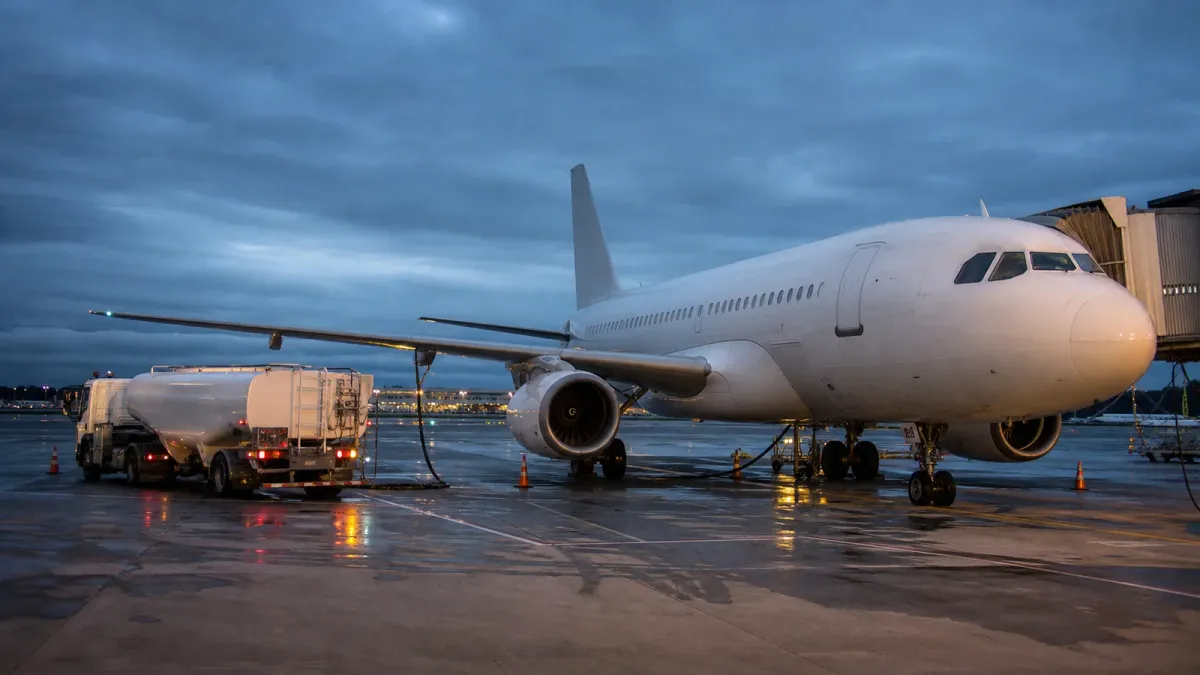
The immediate question for investors and travelers is whether strong demand can continue absorbing much higher fuel costs. United said its second-quarter fuel expense increased by $2.3 billion, or 84%, from a year earlier, while the average price it paid reached $4.19 per gallon.
The numbers
- Operating revenue: $17.7 billion, up 16% year over year.
- Adjusted earnings: $1.99 per diluted share.
- GAAP net income: $805 million, or $2.46 per diluted share.
- Adjusted pre-tax income: $843 million, with a 4.8% adjusted pre-tax margin.
- Passenger capacity: up 3.5%, while total revenue per available seat mile rose 12.1%.
- Operating cash flow: $1.6 billion, with $322 million in adjusted free cash flow.
Premium-cabin revenue increased 16%, Basic Economy revenue rose 11%, loyalty revenue climbed 11%, and cargo revenue grew 23%. United said contracted business revenue was up 27%, while economy-cabin unit revenue rose 12% for a second consecutive quarter of growth.
Why investors and travelers care
United now expects full-year adjusted earnings of $9 to $11 per share, narrowing and raising the range from its previous $7 to $11 forecast. It projects third-quarter adjusted earnings of $2.50 to $3.50 per share.
The carrier said it recovered about half of the second-quarter fuel-cost increase through revenue. It expects that recovery rate to reach 80% to 90% in the third quarter and 100% in the fourth. In practice, that can come from stronger fares and fees, a richer mix of premium and loyalty revenue, and cutting flights that do not cover their costs.
The fuel pressure is not unique to United. U.S. airlines spent $6.66 billion on jet fuel in May, up 84% from a year earlier, according to federal transportation data reported by The Associated Press. The industrywide increase was driven mainly by price rather than higher consumption.
The caveat
United's guidance rests on volatile fuel assumptions. For the third quarter, the company is using an estimated all-in fuel price of about $3.69 per gallon based on the July 14 forward curve. It said the increase in fuel prices since the start of July alone added an estimated $575 million in third-quarter expense, equal to about $1.12 in adjusted earnings per share.
The company also expects fourth-quarter capacity to come in below currently published schedules and said it is prepared to reduce near-term flying further if fuel remains elevated. Adjusted earnings and free cash flow exclude certain items, so they should be read alongside the company's GAAP results.
What to watch next
United will discuss the results and its third-quarter outlook on a conference call Thursday, July 16, at 10:30 a.m. Eastern. Investors will be listening for detail on fares, schedule reductions, the path to an investment-grade credit rating and whether the carrier still expects revenue per available seat mile growth to accelerate in both the third and fourth quarters.


