
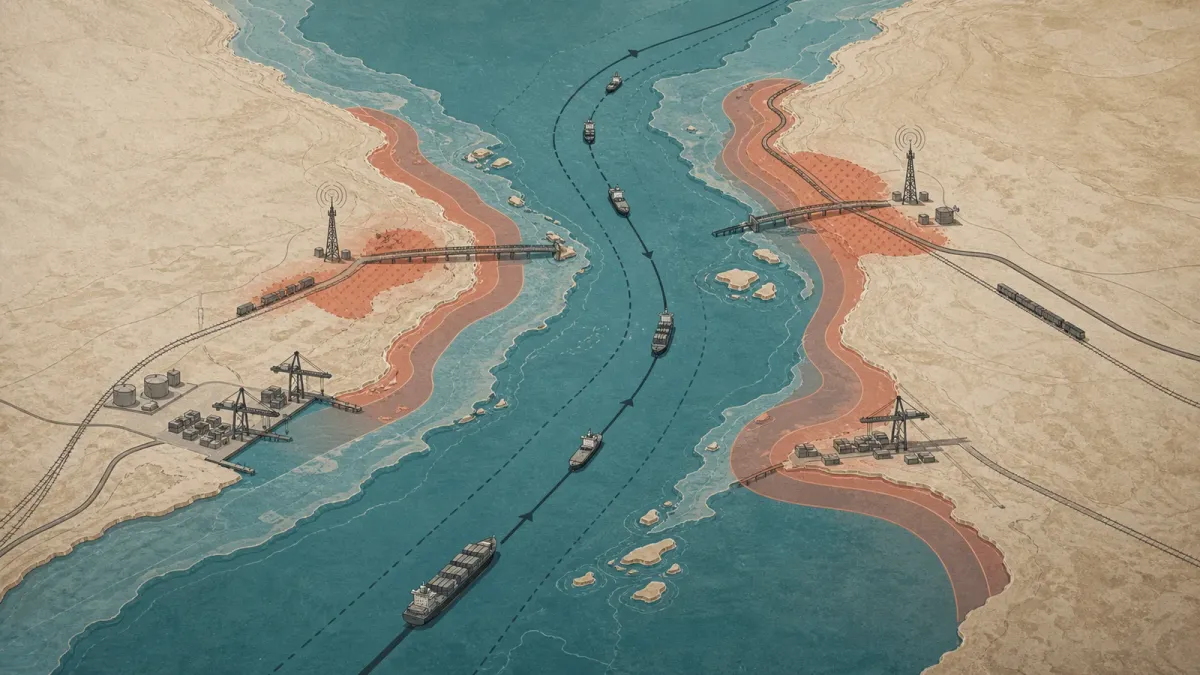
The United States carried out another round of strikes on Iran late Thursday and early Friday, expanding a military campaign tied to the fight over the Strait of Hormuz, one of the world’s most important energy shipping routes.
Iranian media reported attacks around Qeshm Island, Bandar Abbas, Chabahar, Iranshahr and Bandar-e Khamir, including strikes on an airport, bridges and a communications tower. Al Jazeera, citing Iran’s Fars news agency, reported at least seven deaths and nine injuries in an attack on the Bandar-e Khamir bridge in Hormozgan province.
U.S. Central Command has described the broader strike campaign as an effort to degrade Iranian military capabilities after attacks on commercial vessels transiting the strait. In a July 11 statement, CENTCOM said U.S. forces had hit more than 300 targets during three nights of strikes and had helped facilitate the passage of more than 800 commercial vessels since early May.
What changed
The newest reports point to a wider target set than missile launchers alone. Ports, bridges, railway infrastructure and communications sites matter because they can shape how quickly Iran moves personnel, equipment and supplies near the coast.
The escalation also adds pressure on Gulf states. Qatar, Bahrain, Kuwait and Jordan have all reported or responded to recent Iranian missile or drone activity, according to regional and international reports. Qatar said a child was injured by shrapnel after an intercepted strike.
For shipping companies and energy markets, the central question is whether vessels can keep moving through Hormuz without becoming part of the conflict. CENTCOM says commercial traffic continues, while Iranian officials have warned that the waterway will not simply return to its prewar status.
What we do not know yet
The full damage from the latest U.S. strikes has not been independently verified. Reports from Iranian state-linked media and statements from U.S. officials offer sharply different accounts of targets, casualties and whether infrastructure hit in the south had direct military use.
It is also unclear whether the latest round changes the negotiating track. White House officials have said President Donald Trump remains open to diplomacy, but Tehran has publicly said it is focused on defending the country rather than restarting talks.
What happens next
Watch for three signals: whether commercial ships keep using the strait, whether Gulf countries report more interceptions near bases or infrastructure, and whether mediators in Qatar, Oman or Pakistan can reopen a channel before the next strike cycle.


