
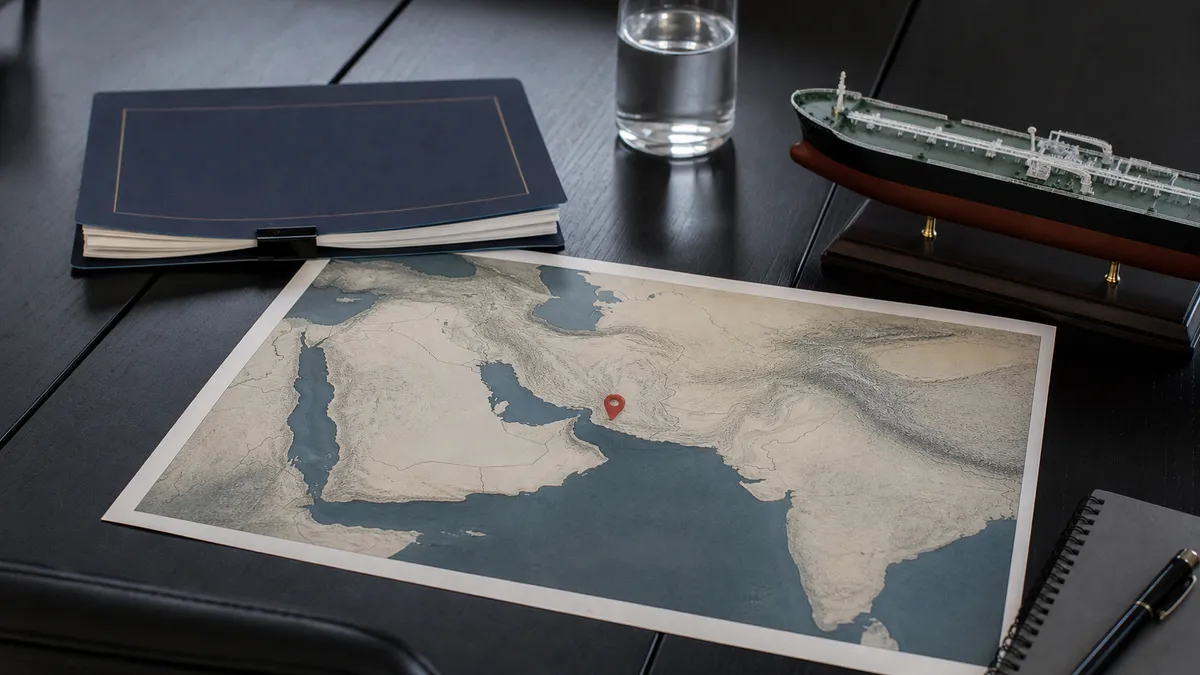
U.S. forces completed another round of strikes against Iran on July 8, 2026, hitting about 90 military targets as the fragile ceasefire around the Strait of Hormuz came under new pressure.
U.S. Central Command said the strikes targeted air defenses, coastal surveillance assets, missile and drone storage sites, naval capabilities and military logistics infrastructure along Iran's coastline. CENTCOM said the operation was meant to further reduce Iran's ability to threaten commercial shipping and civilian mariners in the Strait of Hormuz.
The escalation matters beyond the battlefield because the strait is one of the world's most important energy routes. CBS News reported that oil prices jumped after President Donald Trump said the ceasefire was over, while ABC News reported security alerts and regional retaliation concerns into July 9.
What changed
The latest U.S. strikes followed a July 7 round in which CENTCOM said American forces hit more than 80 Iranian military targets after attacks on three commercial vessels moving through the strait. The July 8 strike package was broader, according to the U.S. command's public release, and focused on assets that could support missiles, drones, surveillance and naval operations near the coast.
AP reported that Trump warned Iran the United States was preparing for another night of strikes, even as he said negotiations could continue. Iranian-linked retaliation was also being tracked across the region, with ABC News reporting that Bahrain and Kuwait were targeted by drones and missiles after the U.S. strikes.
That combination makes the story a security, diplomacy and markets story at once. Even if attacks remain limited, commercial shippers may reroute vessels, pause transits, pay more for insurance or wait for naval assurances before moving cargo through the area. Airlines and embassies can also adjust advisories quickly when air-defense activity increases around Gulf states.
For readers, the immediate watch points are shipping safety, oil prices, embassy or airline security notices, and whether diplomatic channels remain open. A brief disruption around Hormuz can ripple quickly through fuel markets because traders price in the risk of delayed cargoes, higher insurance costs and wider regional conflict.
What we do not know yet
Independent casualty totals, full damage assessments and Iran's next military or diplomatic move were not fully clear as of the morning of July 9. U.S. officials have described the targets as military assets, but battlefield claims from all sides should be treated cautiously until more independent reporting is available.
It is also unclear whether the ceasefire framework can survive the exchange. The most important signal will be whether the next 24 to 48 hours bring more strikes, public back-channel diplomacy, or a pause in attacks on commercial shipping.
What happens next
Watch for new statements from CENTCOM, Gulf governments, shipping operators and energy markets. If the conflict widens, travelers in the region should follow local authorities and U.S. embassy alerts rather than relying on social posts, recycled videos or unverified images from the fighting.


