
A dangerous July heat wave is still moving across the United States, and the risk is not limited to the afternoon high. On Tuesday, July 14, 2026, the National Weather Service Weather Prediction Center said anomalous heat and humidity were spreading from the northern Plains and upper Midwest into the Great Lakes and Northeast, with extreme heat warnings, watches and advisories posted across affected areas.
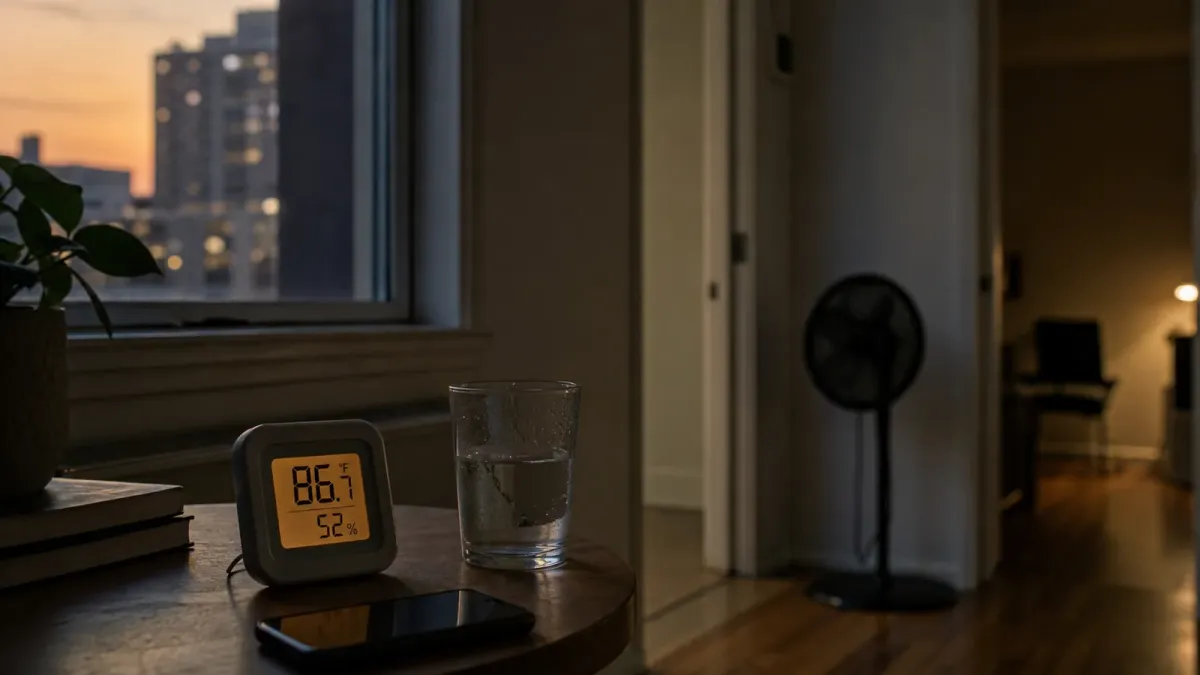
The practical concern is nighttime. Same-day Associated Press reporting, citing National Weather Service forecasts, said more than 90 temperature records could be tied or broken by Wednesday, many of them overnight records. Warm nights matter because the body gets less time to cool down after daytime heat, especially in apartments without strong air conditioning, homes that retain heat, and neighborhoods with lots of pavement.
This is a check-the-forecast story, not a one-size-fits-all warning. Your local risk depends on humidity, cloud cover, overnight lows, air quality, age, medications, work conditions and whether you can get several hours in a cool place.
Do this first
- Check your local National Weather Service forecast, HeatRisk and any heat advisory before evening plans.
- Cool the sleeping area before bedtime if you have air conditioning, and close blinds or curtains on sun-facing windows during the day.
- If you do not have reliable cooling, identify a public cooling center, library, mall, community center or neighbor's home before the hottest part of the day.
- Drink water regularly, but follow medical guidance if you have been told to limit fluids.
- Check on older adults, people living alone, outdoor workers, young children and anyone whose home stayed hot overnight.
Check these details tonight
A low temperature in the upper 70s or 80s can be more stressful than it looks if indoor heat has built up for several days. Fans can help with comfort, but they may not be enough in very hot rooms. If the room stays hot, use air conditioning when available, take a cool shower, move to a cooler location, or contact local services for cooling-center information.
Also check air quality if smoke, ozone or dust is part of the local forecast. Heat can make outdoor exercise, long walks, commuting delays and unsheltered work more dangerous. Reschedule strenuous activity to early morning when possible, and build in shade and rest breaks.
When to get help
CDC and National Weather Service guidance lists dizziness, weakness, nausea, headache, heavy sweating, muscle cramps and unusual thirst as possible signs that heat is affecting the body. Move to a cooler place and hydrate if symptoms start. Treat confusion, fainting, slurred speech, loss of consciousness, very high body temperature or hot skin as an emergency and call 911.
What happens next
The Weather Prediction Center expects hazardous heat to persist in parts of the north-central United States into late week, with above-normal maximum and minimum temperatures driving Major to Extreme HeatRisk in parts of the Plains and Midwest. Farther east, heat is expected to shift through the Ohio Valley, Mid-Atlantic and parts of the Southeast as the pattern evolves. Recheck local alerts each morning and evening because the counties under warnings and advisories can change quickly.


